Vanguard Furniture: Small-Room Buying Guide
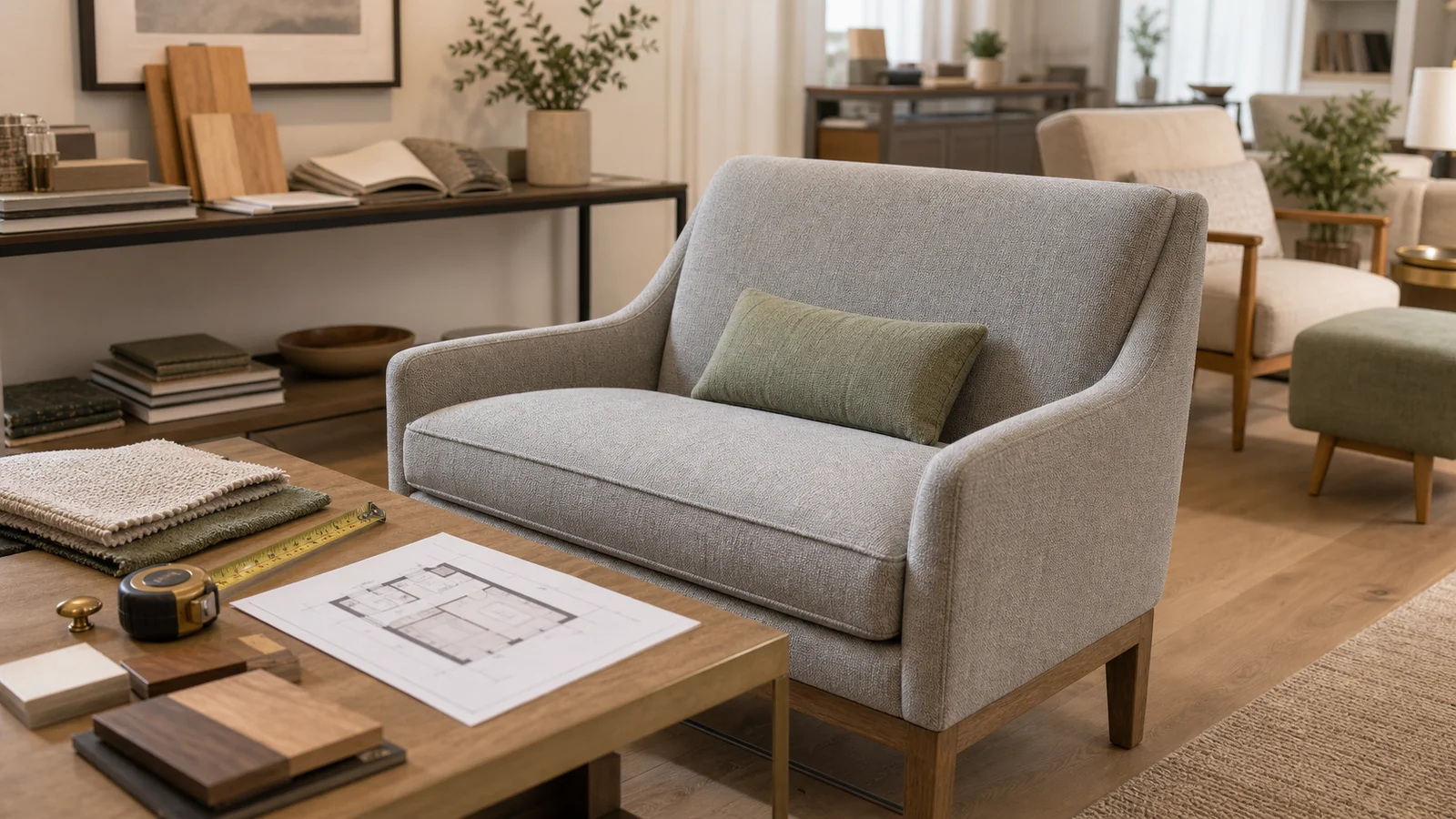
Treat Vanguard Furniture as a custom decision, not a quick fill-in
Vanguard Furniture is best approached as a considered furniture purchase. The brand presents itself around American-made, customizable furniture, with options across upholstery, case goods, dining, beds, ottomans, benches, and outdoor pieces. That breadth can be useful for a small home, but only if you use the choices to solve real room limits.
For compact rooms, the risk is not that Vanguard has too few options. The risk is choosing a beautiful piece with too much depth, too much visual weight, or too many custom details for the way the room actually works.
This is not a hands-on product review. Instead, we look at how to evaluate Vanguard Furniture from a small-room perspective: what to measure, which options matter, and where to slow down before ordering.
Start with dimensions before style names
Vanguard’s range includes many styles, collections, and custom programs. Names can help you browse, but the first filter for a compact room should be size. Width matters, but depth is often the harder number. A sofa, chair, or sectional can look elegant in a showroom image and still push too far into a real apartment path.
Before saving favorites, write down:
- Maximum width for the wall or seating zone.
- Maximum depth before the walking path feels tight.
- Seat height that works with your coffee table or side table.
- Arm height if the piece sits near a window sill or desk.
- Door, stair, elevator, and hallway limits.
- Whether the piece needs to float in the room or sit against a wall.
If you are still guessing, begin with our room measuring guide before you compare upholstery, finishes, or collections. Custom options are helpful only when the base size is already honest.
Use customization to reduce problems
Custom furniture can be tempting because it lets you add detail. In a small room, it is often more valuable because it lets you remove friction.
Look for choices that make the piece easier to live with:
| Small-room pressure | Custom choice to review |
|---|---|
| Room feels crowded | Lower contrast fabric, simpler arms, exposed legs |
| Sofa is too deep | Shallower frame or tighter seat depth |
| Chair blocks a path | Armless, narrow-arm, or smaller-scale silhouette |
| Room needs softness | Upholstery texture, rounded corners, quieter trims |
| Furniture looks heavy | Lighter finish, raised base, less skirted upholstery |
| Storage is limited | Bench, ottoman, cabinet, or chest with useful proportion |
Do not treat every option as an upgrade. Extra pillows, nailhead trim, contrast welt, skirted bases, and deep cushions can be beautiful, but they also add visual information. A compact home usually benefits from fewer, better details.
Read the upholstery choices practically
Vanguard offers fabrics, leathers, trims, cushions, pillows, nail trims, welts, seams, and other upholstery details across its custom programs. That is useful, but fabric choice should come after use case.
Ask how the piece will be used most days. A formal chair in a bedroom corner can carry a more delicate fabric than a sofa used for dinner, laptops, guests, and pets. A dining chair needs a fabric that can handle frequent touch. A headboard needs a texture that feels calm near bedding. A storage ottoman needs a fabric that tolerates trays, feet, and folded blankets.
If possible, look at physical swatches in your own room. Screen color is not enough. Warm white walls, north-facing light, wood floors, and nearby rugs can shift how a fabric reads. A blue-gray that looks calm online may go cold at home. A pale woven fabric may show more contrast against a dark floor than expected.
Our nailhead furniture guide is useful if you are weighing trim details. In small rooms, nailheads, welts, and contrast seams need a clear reason.
Be careful with sectionals and deep comfort pieces
Vanguard sectionals, sofas, and lounge pieces can be generous. That comfort is appealing, but compact rooms need discipline. A sectional should solve seating, not consume every flexible path.
Before choosing a sectional, test the full shape on the floor. Mark the arms, chaise, corner, and table zone. Then walk around it as if the room is already furnished. Notice whether you can reach windows, shelves, outlets, lamps, and the kitchen path.
For small spaces, consider:
- A tight-back sofa instead of loose back cushions if the room needs cleaner lines.
- A loveseat or apartment-scale sofa with one accent chair.
- A settee where full sofa depth would block the room.
- Swivel chairs only where turning does not hit other furniture.
- Ottomans that move instead of a fixed chaise.
Do not buy the deepest comfort option because it looks relaxed in a large room. Comfort includes the feeling of moving easily around the furniture.
Compare wood finishes with the whole room
Vanguard’s case goods and exposed wood options can bring warmth and craft to a room. In compact homes, the finish needs to work with floors, doors, shelves, and other furniture legs. Too many wood tones can make a small room feel unsettled.
If your floor is light oak, a soft mid-tone wood can look layered without feeling heavy. If the floor is dark, a dark cabinet or table may need lighter upholstery or open legs nearby. Painted finishes can be useful when you need a calmer visual block. High-contrast or glossy finishes need more breathing room.
For dining tables, do not stop at tabletop beauty. Check leg or pedestal placement, chair clearance, and how the table behaves when extended. If a round table is under consideration, our round furniture table guide walks through diameter, base style, and chair fit.
Budget for the whole ownership path
Custom and higher-end furniture often involves more than the listed item. There may be fabric choices, cushion choices, finish choices, delivery timing, freight, designer or retailer coordination, and return limitations. The more customized the piece, the more important it is to confirm the decision before ordering.
Ask the retailer:
- Which dimensions are final and which are approximate?
- Is the fabric currently available?
- Can you see a current swatch or finish sample?
- What customization changes the price or lead time?
- What happens if a fabric is discontinued?
- Is the piece returnable, cancellable, or final sale?
- Who handles delivery, inspection, and damage claims?
For outlet or floor-sample Vanguard pieces, ask different questions. Check condition, fabric wear, cushion shape, finish marks, and whether the dimensions still fit your room. A discount does not help if the piece is too large to live with.
Choose the category that earns its footprint
In a small room, a Vanguard piece should earn its footprint through comfort, proportion, storage, craft, or long-term flexibility. It does not need to be the largest or most decorated piece in the room.
Good small-room candidates often include:
- A tailored loveseat with a calm fabric.
- A compact accent chair with exposed legs.
- A storage bench at the bed or entry.
- A small ottoman that works as soft seating.
- A narrow chest with quiet hardware.
- A custom dining table sized to the room.
- A headboard that adds softness without bulky side rails.
More difficult candidates include oversized sectionals, very deep lounge chairs, heavy skirted sofas, tall dark cabinets in low-light rooms, and dining sets that require more clearance than the room can give.
Keep the styling quieter than the furniture
If you choose a well-made, customizable piece, let it lead. Surround it with simpler layers so the room does not feel overdesigned.
Try:
- One strong upholstery texture with plain curtains.
- A tailored sofa with a softer rug.
- A wood chest with a low-contrast lamp.
- A custom chair beside a simple side table.
- A patterned pillow only if the main fabric is quiet.
Avoid turning every nearby object into another statement. In a compact home, the calmer edit usually looks more expensive than a room filled with features.
A small-room Vanguard Furniture checklist
Before you order or commit to a floor sample, confirm:
- The width, depth, height, and delivery path all work.
- The seat depth fits your body and room, not just the showroom.
- The fabric has been checked in your own light when possible.
- Custom details reduce problems instead of adding noise.
- The finish works with floors and nearby wood tones.
- You understand lead time, returns, and delivery responsibilities.
- The piece earns the space it takes every day.
Vanguard Furniture can make sense for a compact home when customization is used with restraint. Start with the room’s limits, then choose the fabric, finish, and details that make the piece feel settled. The best result is not the most elaborate order. It is the one that looks calm because the proportions were right from the start.
You might also like
Ashley Furniture Couch: Small-Room Buying Guide
Choose an Ashley Furniture couch by checking width, depth, arms, upholstery, delivery terms, and how it fits your room.
Becker Furniture: Small-Room Shopping Guide
Use a Becker Furniture search wisely by checking store identity, scale, delivery, floor samples, and compact-room fit.
Cocktail Tables Furniture: Choose the Right Size
Choose cocktail tables furniture by sofa scale, walkway clearance, shape, storage, corners, and everyday use in small rooms.