Ottoman Furniture: Choose the Right Small-Space Piece
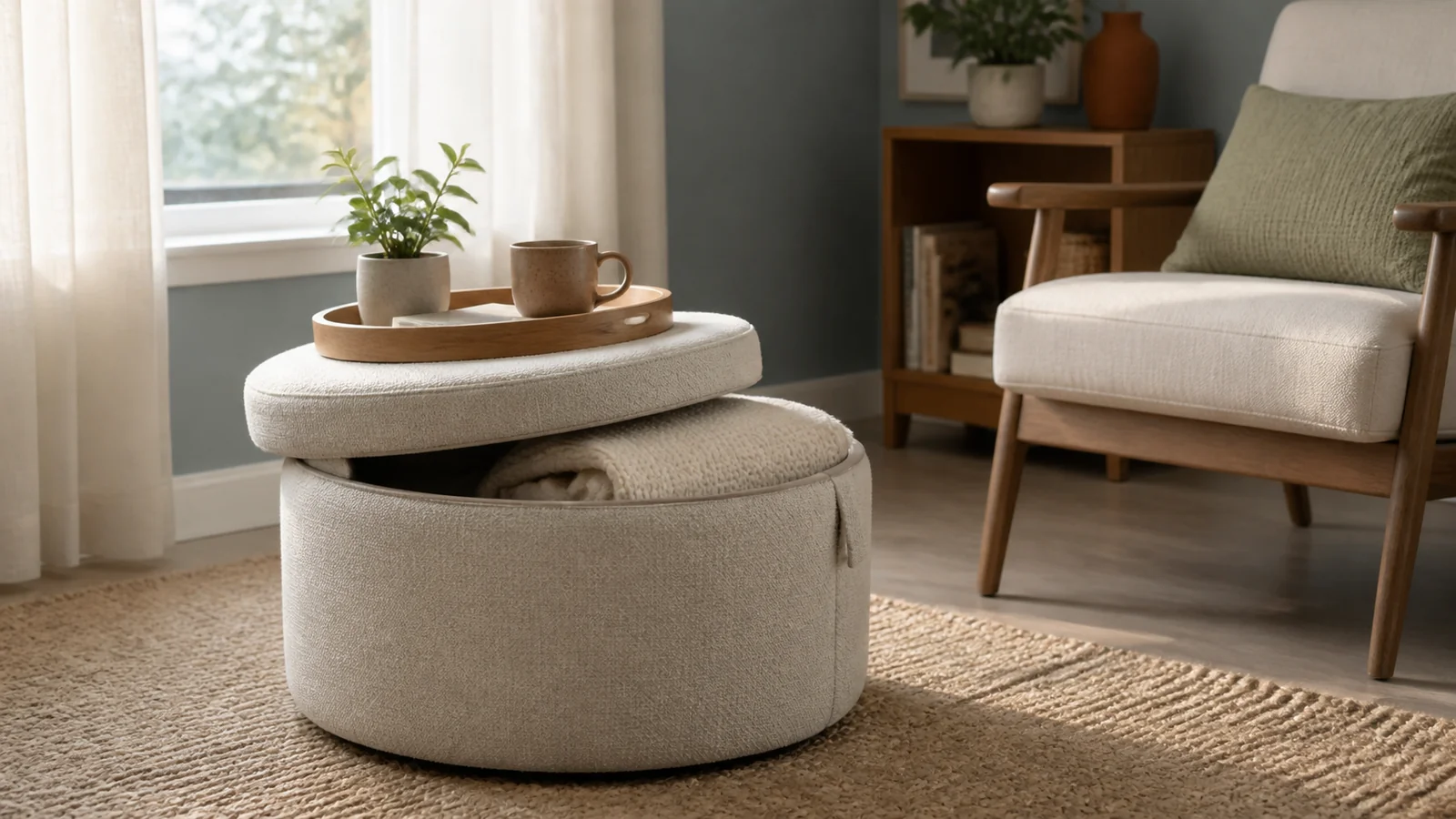
Start with the job under your feet
Ottoman furniture looks simple, but it can do several jobs in a small room. It can be a footrest, coffee table, storage box, extra seat, soft landing for a tray, or flexible piece that moves from living room to bedroom. That flexibility is why ottomans are tempting in apartments and compact homes.
The same flexibility can also make the choice confusing. A soft pouf may look lighter than a storage ottoman but offer no hidden space. A firm ottoman may work beautifully with a tray but feel too stiff as a footrest. A bench may solve seating but crowd the walkway.
Instead of choosing by style first, compare the piece by the job it needs to do most often.
Ottoman vs pouf vs footstool vs bench
The names overlap, especially in product listings, but the differences are useful when space is tight.
| Piece | Usual feel | Best use | Small-room caution |
|---|---|---|---|
| Ottoman | Structured, often upholstered | Footrest, storage, table with tray, extra seat | Can feel bulky if too deep |
| Pouf | Soft, casual, usually lower | Flexible footrest or occasional seat | May be unstable for trays |
| Footstool | Small and simple | Comfort beside a chair | Usually not enough storage |
| Storage bench | Longer and firmer | Entry, bed end, hidden storage | Needs clear walking space |
| Coffee table | Hard, stable surface | Drinks, books, daily use | Sharp corners and visual weight |
An ottoman is the most flexible middle option. It is usually firmer and more structured than a pouf, softer than a coffee table, and more compact than many benches. That makes it useful when one piece needs to soften a room and work hard.
Ottoman vs coffee table
The biggest decision is whether the ottoman will replace a coffee table or sit beside one. In a small living room, replacing the coffee table can make the room feel softer and safer. It also gives you a place to put up your feet without adding another piece.
Choose an ottoman instead of a coffee table when:
- You want a softer center in front of the sofa.
- You need hidden storage for throws, games, toys, or cables.
- The room already has side tables for drinks.
- You want extra seating during visits.
- Sharp table corners make the room feel tight.
Choose a coffee table instead when:
- You eat, work, or write there often.
- You need a stable surface every day.
- The sofa fabric already brings enough softness.
- You do not want to manage trays.
- The room needs a visually lighter open base.
If you choose an ottoman as the main surface, plan for a tray. A tray gives cups, remotes, and books a firmer place to land and keeps the upholstered top from becoming a wobbly catchall.
For a more table-focused decision, our cocktail table guide explains height, shape, and clearance in more detail.
Choose height by the sofa and the task
Ottoman height should relate to the seat it serves. If it is mainly a footrest, it can sit around the same height as the sofa seat or slightly lower. If it is mainly a coffee table substitute, it should feel easy to reach without looming over the cushions. If it is extra seating, it needs to feel stable and comfortable for an adult to sit on.
Use these rough ranges as a starting point:
| Main use | Helpful height cue |
|---|---|
| Footrest | Near sofa seat height or a little lower |
| Coffee table substitute | Close to sofa seat height, with a tray |
| Extra seat | Similar to dining or lounge seat height |
| Storage bench | Comfortable enough to sit while putting on shoes |
| Bed-end bench | Lower than the mattress top, so it does not dominate |
Do not rely on product photos. Measure your sofa seat from the floor to the top of the cushion, then compare the ottoman height to that number. A very low pouf can look charming but feel awkward with a tall sofa. A tall storage ottoman can feel useful but block the view across the room.
Pick the shape for the room’s pressure points
Shape changes how ottoman furniture affects movement. In a small room, the best shape is often the one that avoids the tightest corner.
A round ottoman softens hard lines and is easier to move around in a narrow path. A square ottoman works well with a compact sectional or paired chairs. A rectangular ottoman suits a longer sofa but can become a barrier if it is too deep. A small cube ottoman is flexible because it can shift between rooms, but it may not offer enough surface for daily use.
Think about the path through the room:
- Use round or oval shapes near busy walkways.
- Use square shapes with sectionals or symmetrical seating.
- Use rectangular shapes only when the sofa is long enough.
- Use two small ottomans when one large piece would trap the center.
- Use a bench against a wall, bed, or entry route rather than floating in the middle.
Before buying, mark the footprint on the floor. Then walk around the sofa, open nearby storage, and test whether the room still has a natural path.
Decide whether storage helps or hides clutter
Storage ottomans are popular for a reason. They can hide blankets, games, pet items, seasonal pillows, exercise bands, guest bedding, or entry accessories. In a small home, that can make the room feel instantly calmer.
But storage only helps when it matches the things you actually need to store. A deep ottoman can become a pile of forgotten items. A hinged lid can be annoying if you keep a heavy tray on top. A lightweight lift-off lid may be easier to use, but it needs somewhere to land when open.
Check:
- Interior dimensions, not just outside dimensions.
- Whether the lid lifts, flips, slides, or comes off.
- How heavy the lid feels.
- Whether the inside is lined and smooth.
- Whether the top stays flat enough for a tray.
If you mostly need softness, choose a simpler upholstered ottoman or pouf. If you need daily storage, choose a piece that opens easily without rearranging the whole room.
Choose fabric for real contact
An ottoman gets touched constantly. Feet, trays, pets, children, denim, and crumbs all find it. That means fabric matters as much as shape.
Performance fabric, tightly woven upholstery, leather, faux leather, bouclé, velvet, linen blends, and woven textures all behave differently. A pale bouclé ottoman may look soft and current, but it can catch lint and show wear in a busy household. Leather can wipe clean but may scratch. Velvet adds depth but can show pressure marks. A textured weave can hide everyday marks but may snag.
For compact homes, choose a fabric based on use:
| Household habit | Better direction |
|---|---|
| Shoes on furniture | Darker woven fabric or wipeable surface |
| Pets | Tight weave, medium tone, removable tray |
| Drinks and snacks | Firm top plus large tray |
| Kids | Rounded edges, durable fabric, stable base |
| Quiet bedroom use | Softer fabric, lighter color, less storage pressure |
If the ottoman will sit in front of a sofa, compare the fabrics together. Two busy textures can make a small room feel crowded. A smooth sofa and textured ottoman, or a textured sofa and calmer ottoman, usually feels easier.
Use scale to keep it from becoming a block
Ottoman furniture can look smaller online than it feels in a room. Check width, depth, height, leg style, and visual weight. A skirted ottoman reaches the floor and can feel heavier. A raised base shows more floor and usually feels lighter. A dark leather rectangle may look handsome but dominate a small pale room.
Leave enough space between the sofa and ottoman for knees and movement. Also leave space around the sides if people need to pass through. If the room already has a rug, make sure the ottoman sits comfortably within the seating area instead of half on and half off the rug.
If you are buying during a sale, our furniture deals guide can help you slow down the decision before the discount does the talking.
A simple way to decide
Choose an ottoman when you want one piece to add softness, function, and flexibility. Choose a pouf when you want something lighter and more casual. Choose a bench when the room needs longer seating or entry storage. Choose a coffee table when the surface needs to be stable every day.
The right ottoman furniture should make the room easier to use, not just softer to photograph. Match the height to your sofa, choose the shape for your walkway, and be honest about whether you need storage, seating, or simply a comfortable place to rest your feet.
You might also like
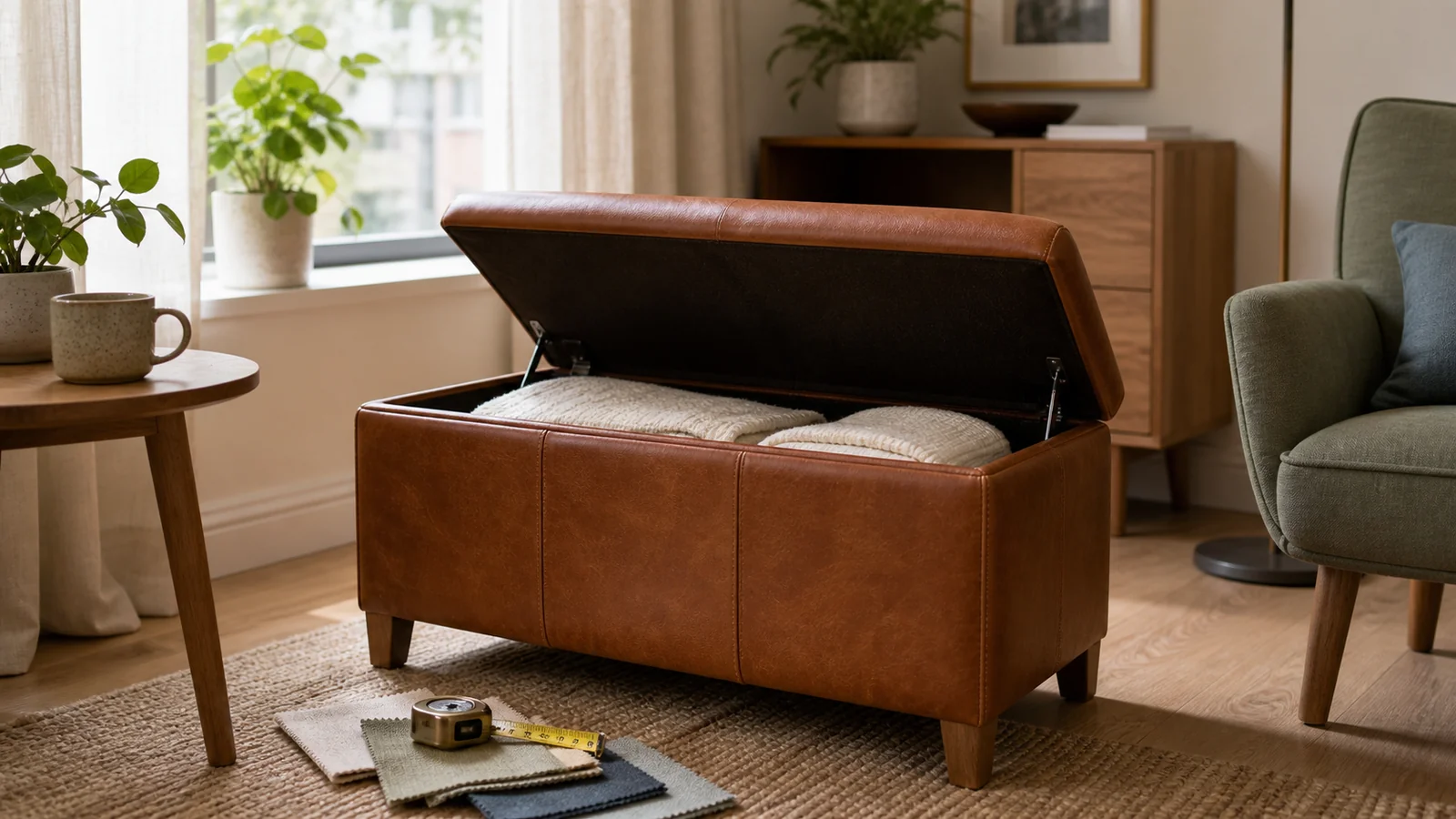
Leather Ottoman Furniture: Small-Space Buying Guide
Choose leather ottoman furniture by checking scale, storage, leather type, cushion firmness, care, and room flow.
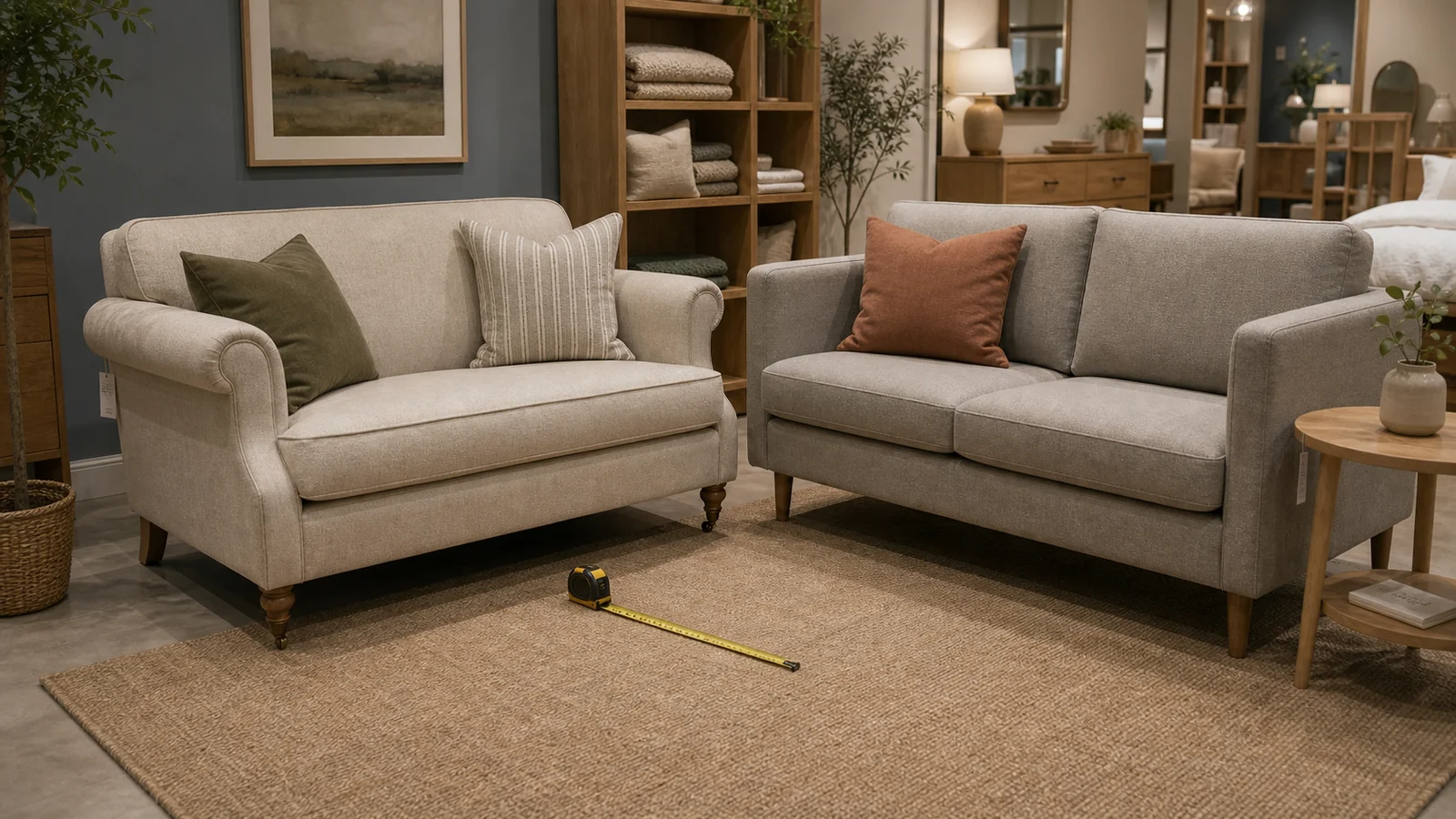
Davenport Furniture: Sofa Meaning and Small-Room Fit
Understand what davenport furniture usually means, how it compares with sofas and couches, and how to choose the right seat for a small room.
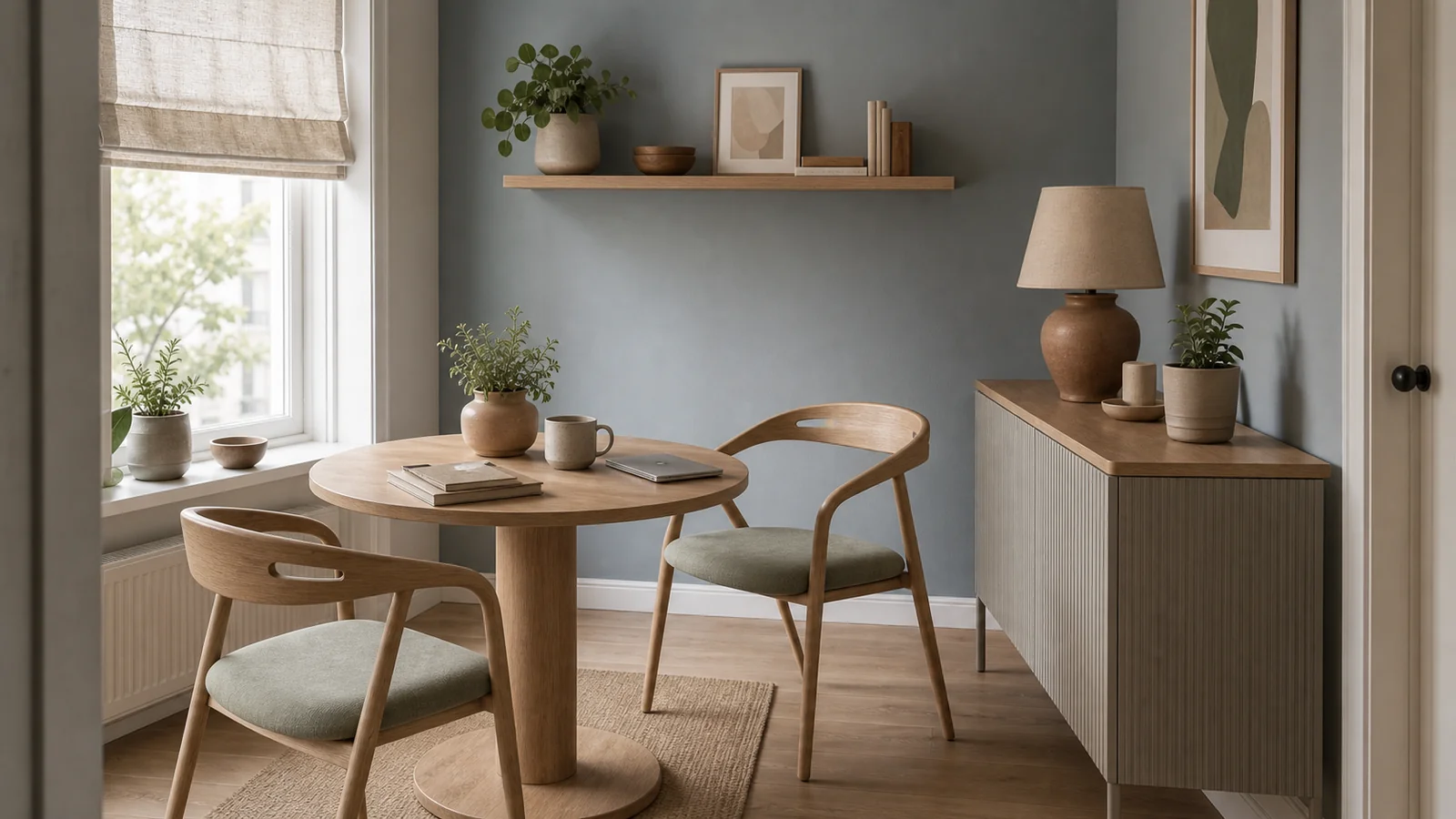
Contemporary Furniture for Small Rooms: Soften It
Use contemporary furniture in a small room with better scale, open bases, warmer textures, practical storage, and enough negative space.