US Sustainable Furniture: A Small-Home Buying Guide
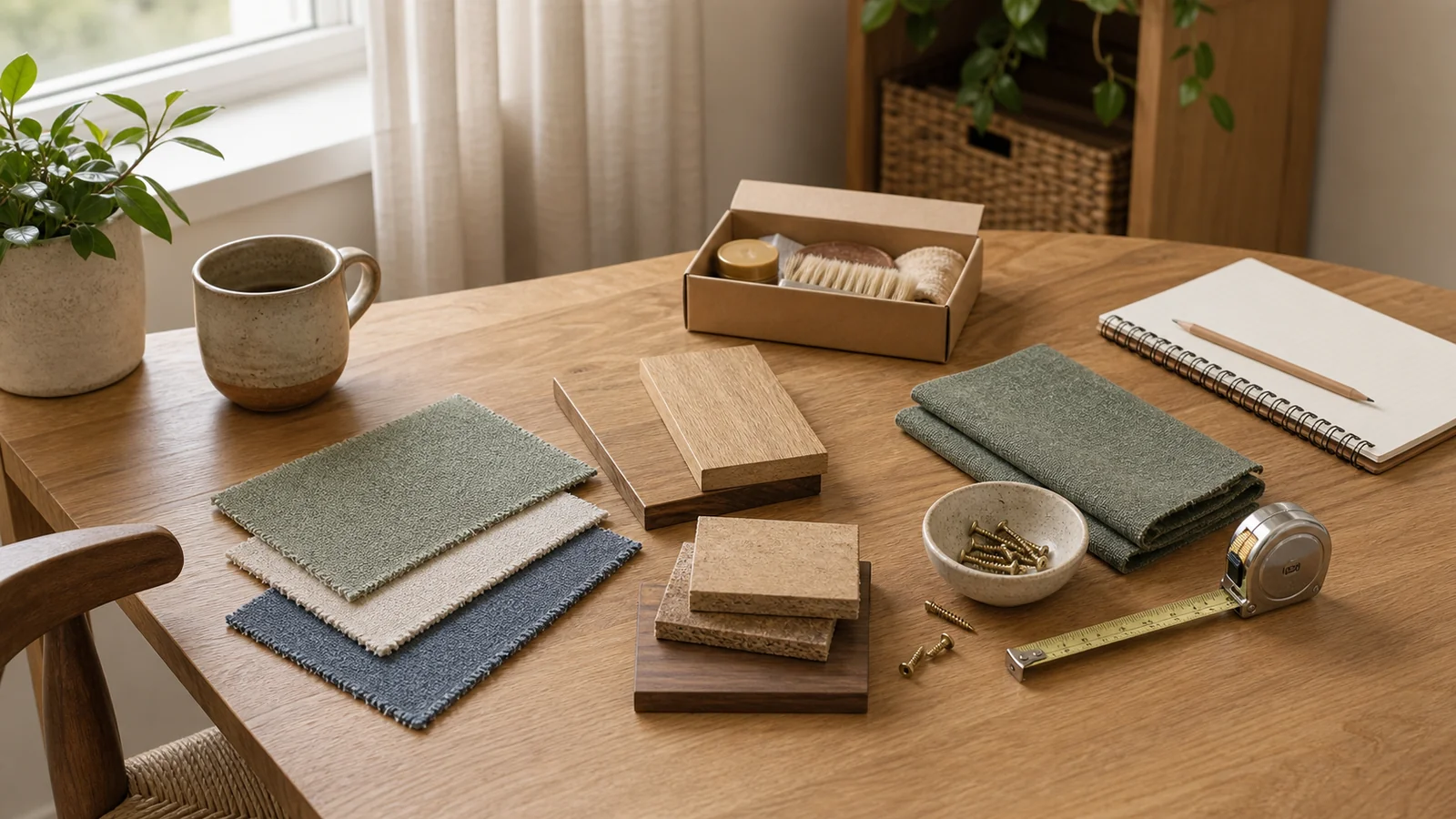
Sustainable furniture starts with buying less, better
If you searched for “US sustainable furnitures,” the more natural phrase is US sustainable furniture. The useful question is not only which American brands look eco-friendly. It is which pieces are made clearly enough, last long enough, and fit your small home well enough that you will not need to replace them quickly.
Sustainable furniture can mean responsible wood, recycled metal, certified textiles, low-emission finishes, local production, repairable construction, secondhand buying, or all of these together. It can also become a vague marketing label if no one explains the materials, factory, finish, or end-of-life plan.
For compact homes, sustainability and scale are tied together. A durable sofa that blocks the room is not a good choice. A tiny table that breaks in a year is not a good choice either. The right piece should fit your floor plan, your budget, your indoor air concerns, and your real maintenance habits.
Decide whether you need new, used, or repaired
The most sustainable furniture is often the piece that already exists and can keep working. Before buying new, ask whether you can repair, refinish, reupholster, slipcover, or rearrange what you already own.
Then compare three paths:
| Path | Best when | Watch for |
|---|---|---|
| Repair | The frame is solid and the size already works | Repair cost, fabric availability, hidden damage |
| Secondhand | You want character, solid materials, or a lower footprint | Odor, pests, wobble, missing parts, delivery |
| New sustainable furniture | You need a specific size, sleeper function, non-toxic materials, or warranty | Greenwashing, vague claims, shipping distance |
For renters and small-home owners, used furniture can be excellent when dimensions are right. A secondhand solid wood dresser, table, or chair may outlast several low-quality new pieces. But do not buy used just because it feels virtuous. If the size is wrong, it will still become clutter.
Look for material transparency
A sustainable furniture listing should tell you what the piece is made from. “Eco-friendly” is not enough. Look for specific materials and construction details.
Useful signs include:
- FSC-certified wood or clearly responsible wood sourcing
- Recycled or recyclable metal content
- Natural fibers, recycled fabrics, or certified textiles
- Replaceable cushion covers or components
- Water-based, low-VOC, or low-emission finishes
- Clear foam, fill, and upholstery information
- Published care and repair guidance
- Packaging and take-back details
Be careful with soft language such as “green,” “natural,” “earth-friendly,” or “conscious” when it appears without evidence. A brand does not need to be perfect, but it should be specific.
For wood furniture, certification can help. FSC labels are designed to show that wood or wood-based products come from responsibly managed sources. For upholstery and mattresses, you may see textile, foam, or emissions certifications. Each label measures something different, so treat certifications as clues, not magic.
Check indoor air quality, especially in small rooms
Small apartments and bedrooms have less air volume than large homes, so material emissions can feel more noticeable. The US Environmental Protection Agency notes that volatile organic compound levels are often higher indoors than outdoors, and furniture can be one possible source when it contains certain coatings, adhesives, foams, or composite materials.
You do not need to become a chemist to shop better. Ask direct questions:
- Does the furniture use composite wood?
- Does it meet applicable formaldehyde emission standards?
- Are finishes low-VOC or water-based?
- Are cushions certified for emissions or content?
- Does the piece have a strong odor when unpacked?
- Can it air out before use?
This matters most for sofas, mattresses, upholstered beds, desks, dressers, nursery furniture, and anything placed in a bedroom or small office. If you are sensitive to smells, ask about samples, showroom pieces, return rules, and airing-out guidance before ordering.
Measure sustainability against durability
A sustainable piece should survive normal life. That means the frame, joints, finish, fabric, and hardware need to match how you use the room.
For a sofa, check frame material, cushion replacement options, fabric abrasion rating, cushion covers, and whether the legs can be tightened or replaced. For a dining table, check finish durability, leaf mechanisms, wobble, and how easily the surface can be repaired. For a dresser, check drawer glides, stops, back panel construction, and anti-tip hardware.
In compact homes, durable furniture also needs to be movable. A beautiful, heavy piece may be responsible in one forever home but impractical for a renter who moves every two years. If you expect to relocate, look for pieces that disassemble cleanly, fit through normal doors, and can adapt to several rooms.
Our Stickley furniture buying guide goes deeper on how solid wood scale, care, and delivery affect small rooms. The same thinking applies to many sustainable wood pieces, whether new or secondhand.
Avoid the common green-shopping traps
Sustainable furniture shopping can become confusing because one product may be strong in one area and weak in another. A sofa may use recycled fabric but ship across the country. A table may be made locally but use unclear finishes. A chair may use certified wood but be too large for your room.
Watch for these traps:
- Buying a full set because the brand is sustainable
- Choosing a piece that is too large, then replacing it later
- Assuming “made in the USA” automatically means sustainable
- Ignoring cushion foam, glue, or finish details
- Buying trendy shapes that will date quickly
- Treating certifications as a substitute for fit and comfort
- Forgetting delivery, repair, and return policies
The calmest approach is to choose fewer pieces with clearer information. One well-sized, repairable table can be a better sustainable decision than a whole room of vaguely green furniture.
Build a small-home sustainability checklist
Before you buy, compare each piece against this checklist:
| Question | What you want to see |
|---|---|
| Does it fit the room? | Measured footprint and delivery path |
| Is the material clear? | Specific wood, metal, fabric, foam, and finish details |
| Are claims supported? | Certification, sourcing, or production information |
| Can it be repaired? | Replaceable parts, covers, cushions, or hardware |
| Will it last stylistically? | A shape and color you can live with for years |
| Is it healthy for the room? | Low-emission materials, especially for bedrooms |
| Can it move or adapt? | Works in more than one layout or future home |
| Is the care realistic? | Cleaning instructions you will actually follow |
If you are still planning furniture scale, start with how to measure a room for furniture before comparing materials. A sustainable choice that fails the room is still a failed purchase.
Choose the piece with the longest useful life
US sustainable furniture is not one look. It can be modern, traditional, soft, minimal, reclaimed, upholstered, modular, or handmade. What matters is that the claims are understandable and the piece earns its floor space.
When two options seem similar, choose the one that gives you more confidence in daily use: clearer dimensions, better repair options, stronger material information, calmer styling, and a delivery plan that fits your building. Sustainability should reduce future waste, not create a new problem in the corner.
For a small home, the best sustainable furniture is the piece you can keep, repair, move, clean, and still like after the trend has passed.
You might also like
Acme Furniture: Small-Space Buying Guide
Use Acme Furniture listings carefully by checking scale, materials, assembly, retailer terms, and room fit before you buy.
80-Year-Old Furniture Business Closing: Shop Carefully
Use a furniture business closing sale carefully by checking dimensions, final-sale terms, delivery, damage, and room fit.

Galleria Furniture: Small-Room Shopping Guide
Use a Galleria Furniture search to compare store identity, showroom scale, delivery terms, and compact furniture fit.