Liberty Furniture for Small Rooms: What to Check
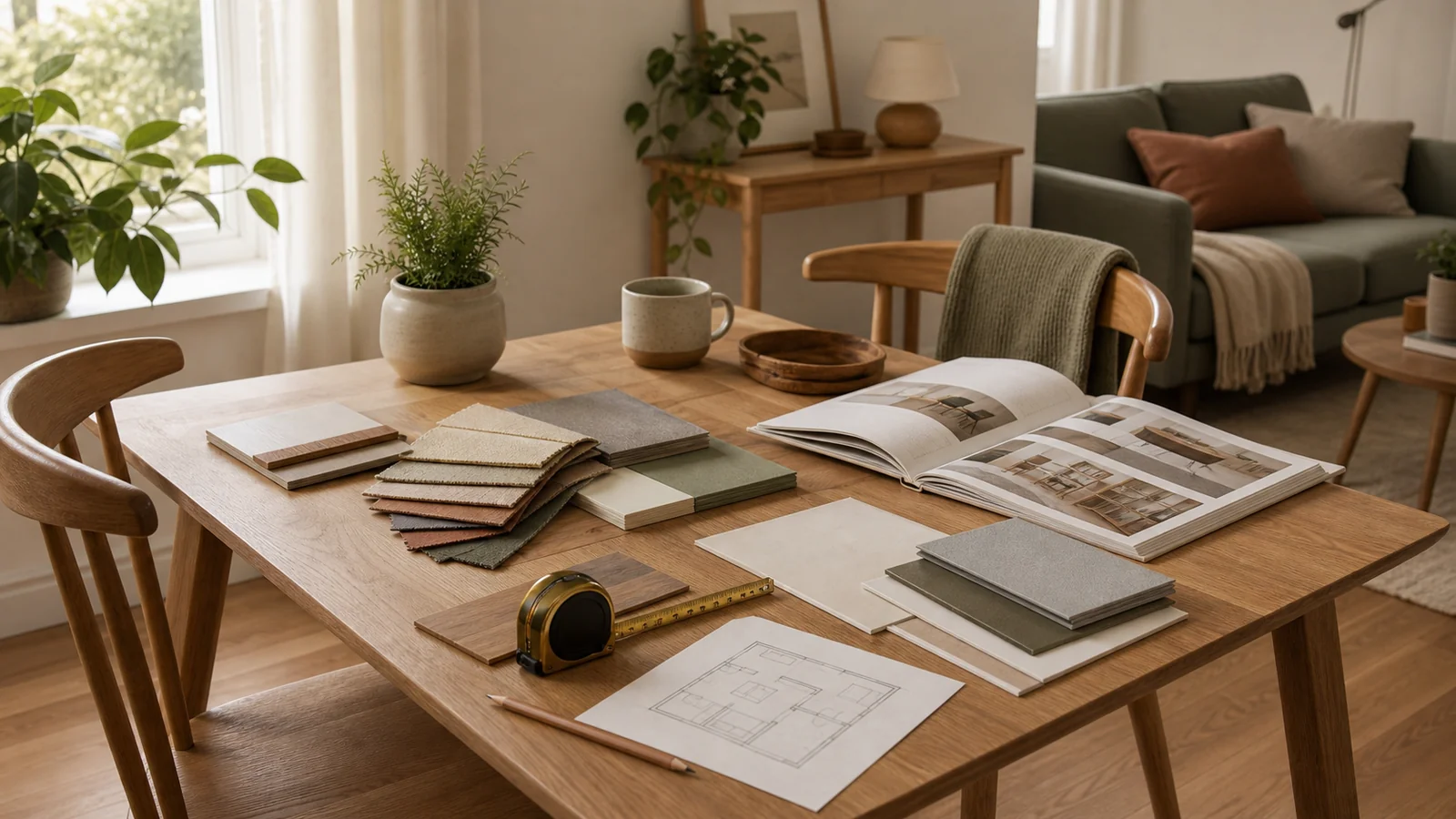
Start with the room, not the collection name
Liberty Furniture can be appealing when you want coordinated pieces for a bedroom, dining area, home office, or living room. The challenge in a small home is that a complete collection can feel easier to buy than it is to live with. A nightstand, dresser, bed, console, and dining set may look balanced in a showroom image, then feel heavy once they share a real apartment with door swings, radiators, narrow walkways, and soft layers.
Use the brand search as a starting point, not the final decision. We would treat Liberty Furniture the same way we treat any large furniture line: measure the room first, study the exact item pages, compare finishes in your own light, and decide which pieces earn space in the room.
If you are still mapping the room, our room measuring guide is the better first step. Once the usable space is clear, Liberty Furniture is easier to judge calmly.
Understand what Liberty Furniture is best suited for
Liberty Furniture is not a tiny direct-to-consumer studio brand. It is a broad furniture line sold through retailers, with collections that commonly span bedroom, dining, occasional tables, entertainment, office, and storage pieces. That breadth is useful if you want related finishes across several rooms. It can also lead you toward buying more matching furniture than a compact home needs.
The strongest use case is selective coordination. A small bedroom might need one good storage bed and a pair of lighter nightstands, not the full matching suite. A dining nook might need a narrow table and compact chairs, not a buffet that steals the only blank wall. A living room might benefit from one wood occasional table, while the rest of the room stays softer with upholstery, curtains, rugs, and open leg space.
Before choosing a collection, ask three questions:
- Does the piece solve a real storage, seating, or surface problem?
- Does the scale work after you leave walking paths open?
- Does the finish support the room’s existing palette, or will it dominate it?
That simple filter keeps the brand from becoming the whole room.
Measure for visual weight as much as footprint
Small rooms are not only limited by inches. They are limited by how much furniture the eye has to carry. Liberty Furniture pieces can include substantial wood tones, paneling, turned details, storage bases, and coordinated hardware. Those details can look rich in a larger room and crowded in a studio or narrow bedroom.
Start with the footprint, then check the visual weight. A dresser on short block feet can feel heavier than a similar-width piece on taller legs. A storage bed can be practical, but a tall footboard may close off the room. A dark table can anchor a dining corner, while a matching cabinet nearby may make the same corner feel fixed and formal.
For compact homes, we would favor:
- Lower profiles where sightlines matter.
- Exposed legs when the floor needs to feel open.
- Rounded or eased edges near tight walkways.
- Lighter finishes in rooms with little natural light.
- One substantial case piece instead of several medium-heavy pieces.
If you love a darker or more traditional collection, balance it with quieter soft layers. A pale rug, linen curtains, matte lampshade, and simple bedding can keep the room from feeling dense.
Choose the collection by room pressure
The right Liberty Furniture piece depends on where the room feels tight. Do not start by asking which collection is prettiest. Start by naming the pressure point.
If the bedroom has poor storage, a dresser or storage bed may matter more than matching nightstands. If the dining area is a pass-through, chair depth and table corners matter more than the finish. If the living room already has a bulky sofa, choose occasional tables with slimmer profiles and visible floor beneath them. If you work from home in the living room, an office piece should disappear visually when the laptop closes.
This is where collection shopping can help. Once you know the needed piece type, you can compare versions within a finish family and choose the least crowded option. A narrow console may work better than a media cabinet. A round dining table may soften a square corner. A writing desk may serve a small apartment better than a full office suite.
For another example of judging a heritage-style furniture brand by scale rather than reputation, see our Stickley furniture small-room guide.
Check retailer details before you fall in love
Because Liberty Furniture is often purchased through retailers, the store page matters as much as the brand page. Read the exact item listing, not just the collection overview. Look for dimensions, materials, finish notes, assembly requirements, delivery method, return policy, and whether the listing is special order.
Pay attention to wording around wood, veneers, engineered materials, metal, upholstery, and hardware. None of those details automatically make a piece good or bad. They tell you how the item may age, how heavy it may be, and how carefully you should handle it during a move. That matters if you rent, expect stairs, or plan to take the furniture to a future home.
Before ordering, save screenshots or PDFs of the product page, item number, finish name, and retailer policy. Furniture listings can change, and those records are useful if you need support later.
Plan delivery like it is part of the furniture
Large furniture mistakes often happen between checkout and the room. A piece may technically fit the floor plan but fail in the stairwell, elevator, hallway, or final turn into the bedroom. For Liberty Furniture, check carton dimensions when available, not only assembled dimensions.
Measure:
- Entry door width and height.
- Hallway turns.
- Elevator opening and interior depth.
- Stair landings.
- The path from the door to the final wall.
- Space for opening drawers, cabinet doors, or recliner mechanisms.
If the retailer offers white-glove delivery, ask exactly what it includes. Some services place the item in the room; others also unpack, assemble, and remove packaging. In a small apartment, packaging removal can be the difference between a calm delivery day and a blocked hallway.
Use matching pieces carefully
Matching furniture can make a room feel settled, but too much matching can flatten a small space. A full bedroom set, dining suite, or living room group can make the room look like a display instead of a home. Soft Room Edit usually prefers one or two coordinated wood pieces, then contrast through fabric, shape, texture, and negative space.
Try one of these softer combinations:
| Room | Safer Liberty Furniture role | What to vary |
|---|---|---|
| Bedroom | Storage bed or dresser | Linen bedding, lighter lamps, different nightstands |
| Dining nook | Table or chairs | Woven seat pads, wall hooks, slim lighting |
| Living room | One occasional table | Upholstery texture, rug tone, open-leg side table |
| Entry | Console or cabinet | Mirror shape, tray, basket, simple lamp |
The goal is not to hide the furniture. It is to let the piece hold the practical job while the rest of the room still breathes.
Inspect finish and comfort in person when possible
Online photos can make furniture finishes look warmer, cooler, smoother, or glossier than they feel in person. If a local retailer carries the collection, visit with your room measurements and a few reference photos on your phone. Look at the finish from different angles. Open drawers. Sit in chairs. Check how the hardware feels. Notice whether the piece seems sturdy without being too heavy for your home.
If you cannot see the exact piece locally, ask the retailer whether they can confirm finish samples, item availability, delivery timing, and return rules. For dining chairs and upholstered pieces, comfort is especially hard to judge from images. Seat height, seat depth, back angle, and cushion firmness can all change how a small dining area or living room works.
A calm verdict for compact homes
Liberty Furniture can work well in a small home when you shop with restraint. The brand’s broad catalog is useful for finding coordinated wood pieces, storage, dining furniture, and occasional tables, but the room should choose the piece, not the other way around.
For compact homes, buy the item that solves the clearest problem, measure the delivery path, avoid overmatching, and leave enough softness around the furniture. A single well-chosen piece can make the room feel grounded. A full set may make it feel smaller than it is.
You might also like
Ashley's Furniture for Small Spaces: What to Check
Use this measured shopping guide to judge Ashley furniture for apartments, soft rooms, and compact layouts without overbuying.
Acme Furniture: Small-Space Buying Guide
Use Acme Furniture listings carefully by checking scale, materials, assembly, retailer terms, and room fit before you buy.
80-Year-Old Furniture Business Closing: Shop Carefully
Use a furniture business closing sale carefully by checking dimensions, final-sale terms, delivery, damage, and room fit.