Furniture Repair Near Me: A Small-Home Checklist
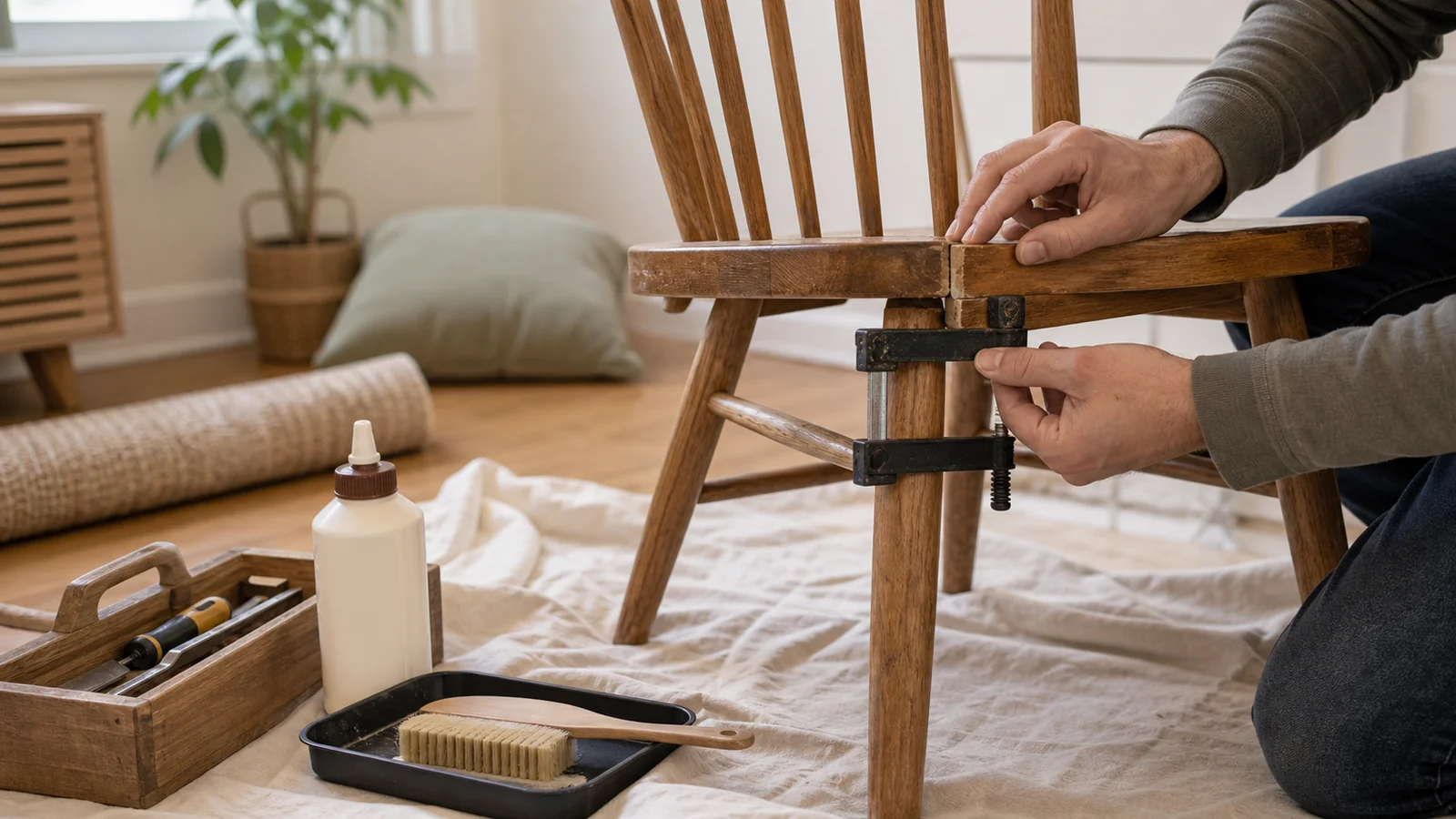
Repair can be calmer than replacing
Searching for “furniture repair near me” usually starts with a problem: a loose dining chair, scratched table, sagging sofa cushion, broken recliner handle, torn upholstery, wobbly dresser, or moving damage on a piece you still like. In a small home, repair can be the quietest solution. It avoids another shopping cycle, another delivery, and another piece that may not fit as well.
Repair is not always the right answer. Some furniture is too damaged, too low quality, or too expensive to fix well. But many pieces deserve a closer look before they are replaced, especially if the size, comfort, or storage already works in your room.
This guide helps you compare local furniture repair options without getting lost in vague estimates. It focuses on small-home realities: limited floor space, building rules, pickup logistics, and the need to make one good piece last longer.
Identify the repair type before calling
Furniture repair is not one service. A wood finisher, upholsterer, leather specialist, recliner technician, antique restorer, cabinetmaker, and handyman may all solve different problems. Before contacting anyone, name the issue as clearly as you can.
Common repair categories:
| Problem | Possible specialist |
|---|---|
| Loose chair joints | Wood furniture repair, chair repair, cabinetmaker |
| Scratched table or dresser | Wood refinisher, touch-up technician |
| Torn fabric or sagging cushions | Upholstery repair shop |
| Leather scratches or color loss | Leather repair specialist |
| Broken recliner cable or motor | Recliner repair technician |
| Drawer glide problems | Furniture repair, cabinet repair |
| Broken cane, rush, or wicker | Specialty seat repair or restoration |
| Antique damage | Antique restoration specialist |
The more specific you are, the better the first conversation will be. “My chair is broken” is harder to estimate than “one dining chair has a loose back rail and the seat shifts when I sit.”
Photograph the piece before requesting estimates
Good photos save time. They also help you avoid moving heavy furniture before you know whether a repair is realistic.
Take:
- One full-room photo showing where the piece sits.
- One full-piece photo from the front.
- Close photos of the damage.
- Photos from the side and back.
- A photo of any label, model number, or manufacturer tag.
- A photo with a ruler, coin, or hand for scale.
- A short video if the problem involves wobble, sagging, noise, or a mechanism.
If the piece has a brand label or model number, save it. Our Ashley furniture model number guide explains how to look for labels without damaging the furniture. The same approach can help with many brands, especially recliners, sectionals, and case goods.
Decide whether repair fits the value of the piece
Repair value is not only resale value. A modest chair can be worth repairing if it fits a tiny dining nook perfectly. A secondhand dresser can be worth saving if it gives better storage than anything new in your budget. A sofa may be worth cushion work if the frame is solid and the size is right.
Ask:
- Does the piece fit the room unusually well?
- Is the frame or structure still solid?
- Would replacing it cost more in money, time, or delivery stress?
- Is the material repairable?
- Does the piece have sentimental, vintage, or quality value?
- Will repair extend its useful life by several years?
- Is the damage cosmetic, structural, or safety-related?
If the piece is poorly made, too large, uncomfortable, or unsafe, repair may only delay the real decision. If sustainability matters to you, our US sustainable furniture guide can help you compare repair, secondhand, and new furniture with a longer view.
Ask better questions before booking
When you contact a furniture repair service, ask questions that reveal process, fit, and risk. You do not need to sound technical. You just need enough detail to compare answers.
Ask:
- Do you repair this type of furniture?
- Can you estimate from photos first?
- Is the repair done in home or in your workshop?
- What could change the estimate after inspection?
- What materials, parts, glue, finish, or fabric might be needed?
- Will the repair be visible?
- How long should the repair last with normal use?
- Is pickup and delivery available?
- How should I prepare the room?
- Do you provide a written estimate or invoice?
For upholstery, ask about fabric sourcing, cushion foam, springs, seams, and whether full reupholstery is needed or a smaller repair will do. For wood, ask whether the work is structural repair, cosmetic touch-up, refinishing, or restoration. These are different scopes.
Compare in-home repair with workshop repair
Some repairs can happen in your home. Others need a workshop. In a compact apartment, this decision matters because you may not have space for tools, drying time, sanding, fumes, or a partly disassembled sofa.
In-home repair may work for:
- Minor touch-ups
- Recliner cable or handle work
- Simple drawer glide adjustments
- Tightening hardware
- Small upholstery fixes
- Chair gluing if clamping space is available
Workshop repair may be better for:
- Refinishing
- Major upholstery
- Structural rebuilding
- Antique restoration
- Veneer repair
- Large glue-ups or clamping
- Dusty, smelly, or multi-day work
Ask what the repair will involve inside your home. If it includes dust, odor, noise, or floor protection, plan ahead. Renters should also check building rules for elevator reservations, service access, and work hours.
Prepare a small room for repair day
Furniture repair can temporarily disrupt a small home. Make the workspace as easy as possible before the repair person arrives.
Prepare by:
- Clearing a path from the door to the furniture.
- Moving breakable decor, lamps, and small tables.
- Rolling back rugs if needed.
- Protecting floors with a clean sheet, mat, or drop cloth.
- Securing pets away from tools and open doors.
- Taking cushions, drawers, or loose objects out of the piece.
- Making parking, elevator, or loading information clear.
- Photographing the piece before it leaves if workshop repair is needed.
If the piece is being picked up, measure doorways and turns before pickup day. A repair is only helpful if the furniture can leave and return without damage.
Watch for red flags
Most local repair professionals are trying to solve a practical problem. Still, be cautious when the details feel unclear.
Red flags include:
- No interest in photos before giving a firm price
- Vague promises that everything will look “brand new”
- No written estimate for a costly repair
- Pressure to decide immediately
- No explanation of whether the repair is structural or cosmetic
- Refusal to discuss pickup, delivery, or risk
- Unclear payment terms
- No business name, address, or review history for larger jobs
Furniture repair often includes judgment. A skilled person may need to inspect the piece before final pricing. That is normal. What you want is clarity about the range, the process, and what happens if the damage is worse than expected.
Know when not to repair
Sometimes replacement, donation, parts salvage, or safe disposal is the better choice. Repair may not make sense when:
- The frame is cracked in several places.
- The piece is moldy, pest-damaged, or heavily odor-filled.
- The repair would cost more than a better-fitting replacement.
- The furniture never worked well in the room.
- A safety issue cannot be fixed confidently.
- The material is too thin, weak, or degraded.
- You are moving soon and the piece is too hard to transport.
Letting go of a poor piece is not wasteful if it prevents more frustration. The goal is a home that works, not saving every object at any cost.
A calm repair checklist
Before booking furniture repair near you, gather the essentials:
- Clear photos and a short damage description
- Brand, model number, or label photos if available
- Dimensions and approximate weight
- Whether you want cosmetic improvement, structural repair, or both
- Your building access details
- Your budget range
- Your timeline
- Written estimate and pickup plan
Repair works best when everyone understands the piece, the room, and the desired result. For small homes, that clarity matters even more. A well-repaired chair, table, dresser, sofa, or recliner can keep the room familiar and functional without starting a whole new furniture search.
You might also like
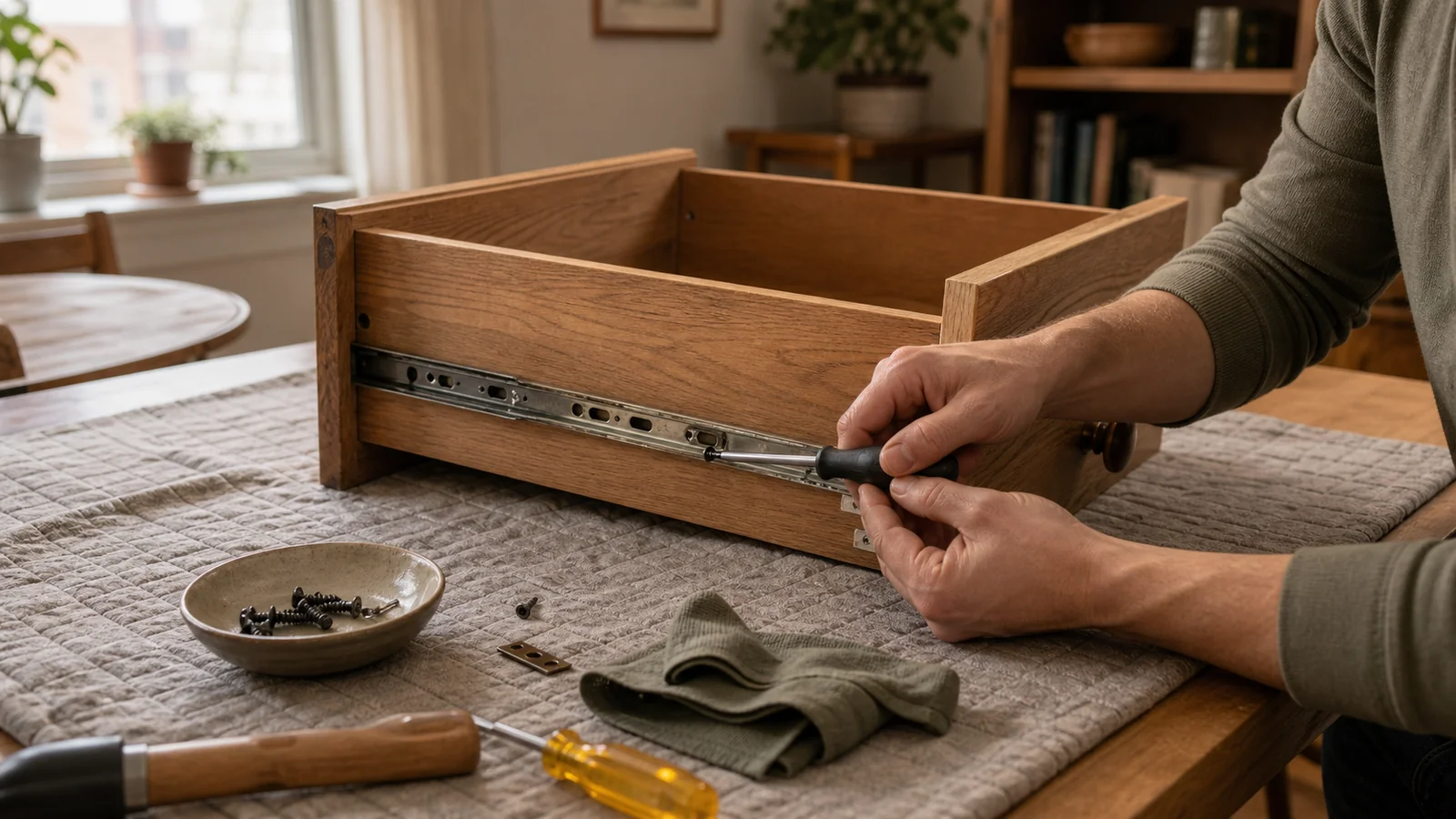
Furniture Repair: Small-Home Fix or Replace Guide
Learn how to assess furniture repair, prepare a small workspace, handle simple fixes, and know when to call a pro.

Aluminum Outdoor Furniture: Material Comparison
Compare aluminum outdoor furniture with steel, wood, resin wicker, and plastic before choosing pieces for a compact balcony.

Wicker Outdoor Furniture: Small-Balcony Guide
Choose wicker outdoor furniture by checking resin weave, frame material, cushion storage, weather exposure, and balcony fit.