Aluminum Outdoor Furniture: Material Comparison
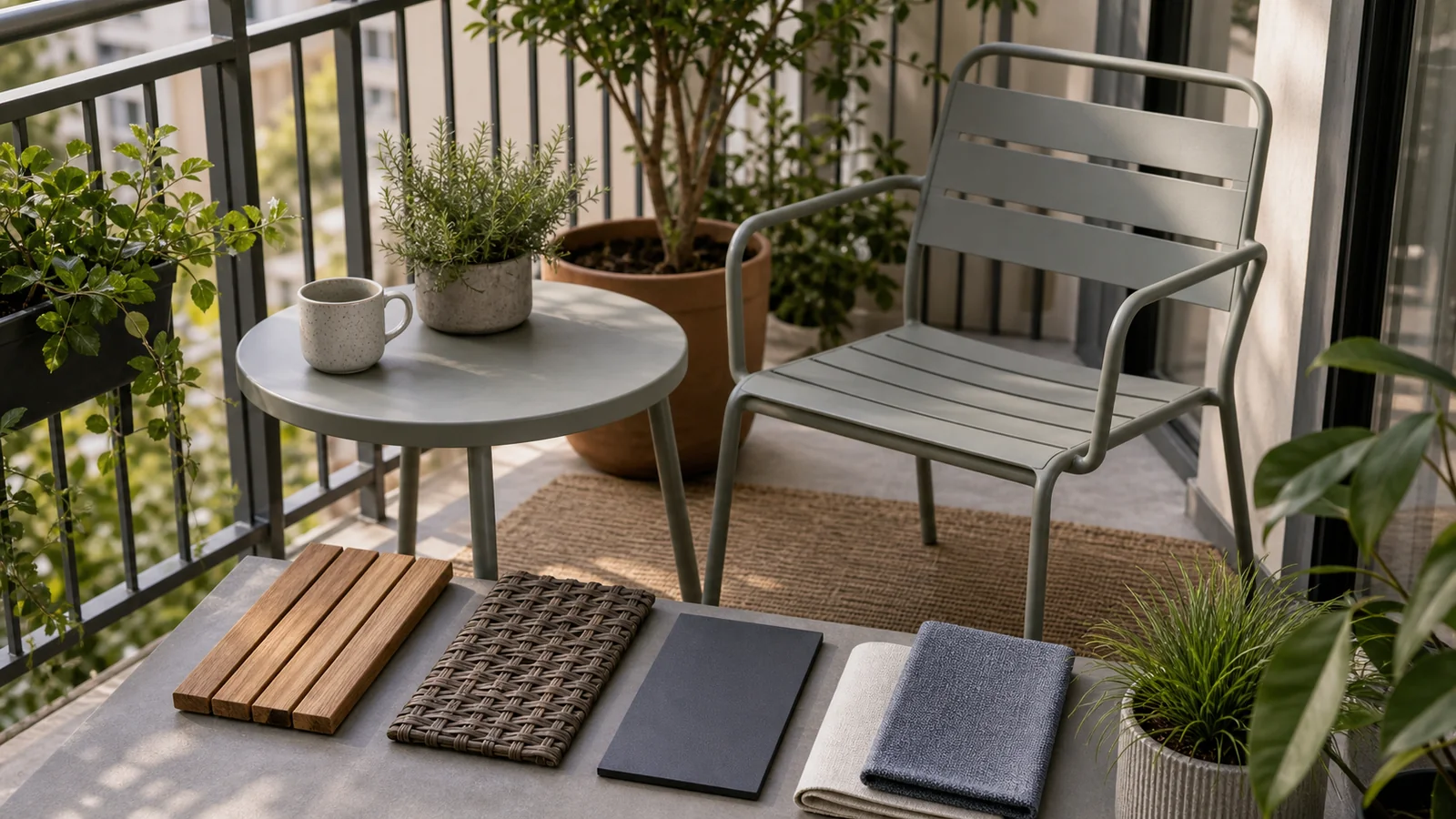
Aluminum is the flexible choice, not the only choice
Aluminum outdoor furniture is popular for small balconies and patios because it is usually light, rust-resistant, and easy to move. That makes it practical for renters, apartment households, and anyone who needs outdoor furniture that can shift for cleaning, storms, or winter storage.
Still, aluminum is not automatically better than steel, wood, resin wicker, or molded plastic. Each material solves a different outdoor problem.
This guide compares aluminum outdoor furniture against other common materials so you can choose by exposure, weight, comfort, maintenance, and room feel.
Aluminum vs steel: movement or stability
Aluminum and steel can both make slim outdoor furniture. The difference is how they behave in weather and how they feel when you move them.
Aluminum is usually lighter and naturally more resistant to rust than ordinary steel. Powder-coated aluminum can be especially useful on balconies where you need to pull chairs aside, carry a table indoors, or clean pollen from the floor. It often suits folding chairs, bistro sets, stackable seating, and compact tables.
Steel is usually heavier and can feel more grounded. That extra weight may help in windy outdoor spaces, but it also makes furniture harder to move through an apartment. Steel depends heavily on its protective coating. If the finish chips and moisture reaches the metal, rust can become a problem.
| Choose aluminum when | Choose steel when |
|---|---|
| You need light, movable furniture | You need heavier, steadier pieces |
| You clean or store pieces often | The balcony is windy or exposed |
| You live in a rental with tight access | The furniture will stay mostly in place |
| You prefer a softer, less industrial look | You want a slim but weighty frame |
For compact homes, aluminum often wins on flexibility. Steel can win on stability. The right choice depends on whether moving the furniture is a weekly habit or a rare event.
Aluminum vs wrought iron: easy care or classic weight
Wrought iron has a different personality from aluminum. It is heavy, decorative, and often visually strong. On a small balcony, that weight can be useful if wind is a serious concern. It can also feel charming with plants, brick, stone, and older architecture.
But wrought iron asks for care. The finish matters. Scratches, exposed joints, and trapped moisture can lead to rust if ignored. The furniture is also harder to carry, rearrange, or store. A beautiful iron chair may be less useful if you dread moving it every time you sweep.
Aluminum is easier for most renters because it is lighter and less demanding. It can still look refined, especially in matte black, soft gray, sage, white, or clay-colored powder coating.
Our wrought iron patio furniture guide goes deeper on when that heavier material makes sense for a small balcony.
Aluminum vs wood: cool structure or natural warmth
Wood outdoor furniture brings warmth that metal often cannot match. Teak, acacia, eucalyptus, cedar, and other outdoor woods can make a balcony feel more like a real room. Wood also pairs beautifully with linen cushions, terracotta planters, and woven storage.
The tradeoff is maintenance. Wood may need oiling, sealing, covering, cleaning, or seasonal storage depending on the species, finish, and climate. It can weather to gray, crack, stain, or swell if neglected. In damp climates, airflow matters. In strong sun, finishes can fade.
Aluminum is less warm visually, but it is easier to live with when your outdoor space is small and exposed. It also works well as a mixed-material frame: aluminum legs with a wood-look top, aluminum chairs with woven seats, or aluminum frames softened by cushions.
Use this test:
- Choose aluminum if you need low effort, easy movement, and slim frames.
- Choose wood if tactile warmth matters and you will maintain it.
- Choose a mixed-material piece if you want the look of wood with a lighter frame.
For a tiny balcony, one wood bench or table can be enough warmth. The rest of the pieces can stay lighter and easier to move.
Aluminum vs resin wicker: slim frame or softer lounge
Resin wicker, synthetic rattan, and outdoor woven furniture can make a balcony feel relaxed and layered. The texture softens the space and cushions can make seating feel more like indoor furniture.
The problem is bulk. Outdoor wicker chairs and loveseats often have thick arms, deep seats, and cushion sets that need storage. In a small outdoor area, that can crowd the door path quickly. Wicker also hides the frame beneath the weave, so you still need to check whether the inner structure is aluminum, steel, or another material.
Aluminum looks cleaner and often takes less space. It may not feel as lounge-like without cushions, but it is easier to tuck, stack, fold, or shift.
| Need | Better fit |
|---|---|
| Quick morning coffee | Aluminum bistro chair or small table |
| Soft lounge feeling | Resin wicker chair or loveseat |
| Easy cushion-free routine | Sling or mesh aluminum seating |
| Textured, room-like balcony | Resin wicker with realistic cushion storage |
| Narrow walkway | Slim aluminum frames |
If woven furniture is still calling to you, our wicker outdoor furniture guide explains resin weave, frames, cushions, and exposure.
Aluminum vs plastic or resin: polish or pure utility
Plastic and resin outdoor furniture can be affordable, light, and easy to rinse. It can work well for temporary spaces, children, messy meals, or balconies where furniture needs to be carried indoors often. Some molded chairs are now quite stylish.
The caution is longevity and room feel. Low-quality plastic may fade, flex, crack, or look casual in a way that does not suit your interior view. Because balcony furniture is often visible from inside, the finish matters even when you are not outside.
Aluminum usually feels more permanent and polished. It can still be lightweight, but the frame tends to look more furniture-like than a simple molded chair. It also pairs better with cushions, fabric slings, wood-look tops, and woven details.
Choose plastic or resin when utility matters most. Choose aluminum when you want a longer-term outdoor setup that still stays easy to move.
Compare by weather exposure
Outdoor furniture lives differently under a covered balcony than it does on an open terrace. Before choosing material, map the exposure.
Ask:
- Does rain hit the furniture directly?
- Does the balcony get harsh afternoon sun?
- Is wind strong enough to move lightweight chairs?
- Is there salty coastal air?
- Will snow or freezing weather reach the furniture?
- Can pieces be stored indoors in winter?
- Are covers allowed by your building?
Aluminum is strong for many exposures because it resists rust and moves easily. It still needs a good outdoor-rated finish, protected hardware, and sensible care. In windy spaces, very light aluminum can be a liability. In intense sun, dark metal can get hot. In coastal areas, hardware and joints still need attention.
No material is completely maintenance-free. The best material is the one whose chores you will actually do.
Compare by comfort
Comfort is not built into the word aluminum. It comes from the seat shape, back angle, arm position, cushion quality, fabric, and table height.
Aluminum bistro chairs are excellent for quick use. They may not be ideal for long reading sessions unless the back is supportive. Sling aluminum chairs can dry quickly and feel flexible. Cushioned aluminum chairs can feel softer but need storage. Cast aluminum may feel more solid, but it can be heavy and firm without cushions.
Wood can feel warmer to the touch but may still need cushions. Wicker usually feels softer because it is designed around lounge use. Steel and iron can feel hard unless the shape is generous.
Match comfort to the actual use:
- Coffee for ten minutes.
- Dinner for two.
- Laptop work outside.
- Reading in the evening.
- Plant care and occasional sitting.
- Hosting one friend.
The more time you spend seated, the more cushion storage and back support matter. The less time you spend seated, the more folding, stacking, and easy cleaning may matter.
Compare by small-space layout
A small balcony needs clear paths more than a complete set. Aluminum often works well because slim frames leave more visual air. But a poorly chosen aluminum set can still fail if the table is too wide or the chairs cannot tuck in.
Before buying any material, measure:
- Door opening.
- Door swing.
- Usable floor depth.
- Chair depth when occupied.
- Table width with chairs pulled out.
- Railing clearance.
- Space for planters or storage.
- Path needed for sweeping and watering.
Then compare furniture in its open-use position, not just its empty footprint. A folding aluminum chair may be only a few inches thick when stored, but it still needs knee and back clearance when someone sits down. A wicker chair may look inviting, but its arms may take the space a side table needs.
For an aluminum-specific layout pass, see our aluminum patio furniture guide.
A material decision chart for compact outdoor spaces
Use this as a quick filter:
| Your priority | Best material direction |
|---|---|
| Easy movement | Aluminum, plastic, resin |
| Wind stability | Steel, wrought iron, heavier cast aluminum |
| Warmth and natural texture | Wood, resin wicker |
| Low cushion routine | Aluminum sling, mesh, plastic |
| Lounge comfort | Resin wicker, cushioned aluminum, wood lounge seating |
| Refined small-space look | Powder-coated aluminum, slim wood, edited wicker |
| Minimal maintenance | Aluminum with outdoor-rated finish |
| Character and age | Wrought iron, wood, vintage metal |
The calmest choice is often mixed. You might use an aluminum table with wood-look top, one woven chair, and a simple outdoor cushion. You do not need every piece to be the same material.
Care differences matter more than labels
A furniture listing may say outdoor, weather-resistant, powder-coated, all-weather, or rust-resistant. Those words help, but they do not replace care instructions.
For aluminum, clean with mild soap and water, avoid abrasive scrubbers, and check chips or hardware. For steel and iron, inspect finish damage more often. For wood, follow the maker’s oiling, sealing, or covering guidance. For resin wicker, keep cushions dry and clean debris from the weave. For plastic, avoid harsh cleaners that can dull or weaken the surface.
Also think about storage:
- Can you carry the furniture inside alone?
- Can it fold or stack?
- Do cushions have a dry home?
- Will covers trap moisture?
- Does the building allow balcony storage boxes?
Care should fit your week, not an ideal version of your week.
The best aluminum outdoor furniture choice
Aluminum outdoor furniture is a strong choice when you want flexibility, lighter weight, and a cleaner small-space look. It is especially useful for renters, balconies, small patios, and outdoor areas that need to shift between sitting, plants, cleaning, and storage.
Choose another material when your space needs more weight, warmer texture, deeper lounge comfort, or a style aluminum cannot provide. Steel and iron bring stability. Wood brings warmth. Resin wicker brings softness. Plastic brings simple utility.
For most compact outdoor spaces, aluminum should be your baseline comparison. If another material earns its extra weight, maintenance, or bulk, choose it. If it does not, aluminum will usually keep the balcony easier to use.
You might also like
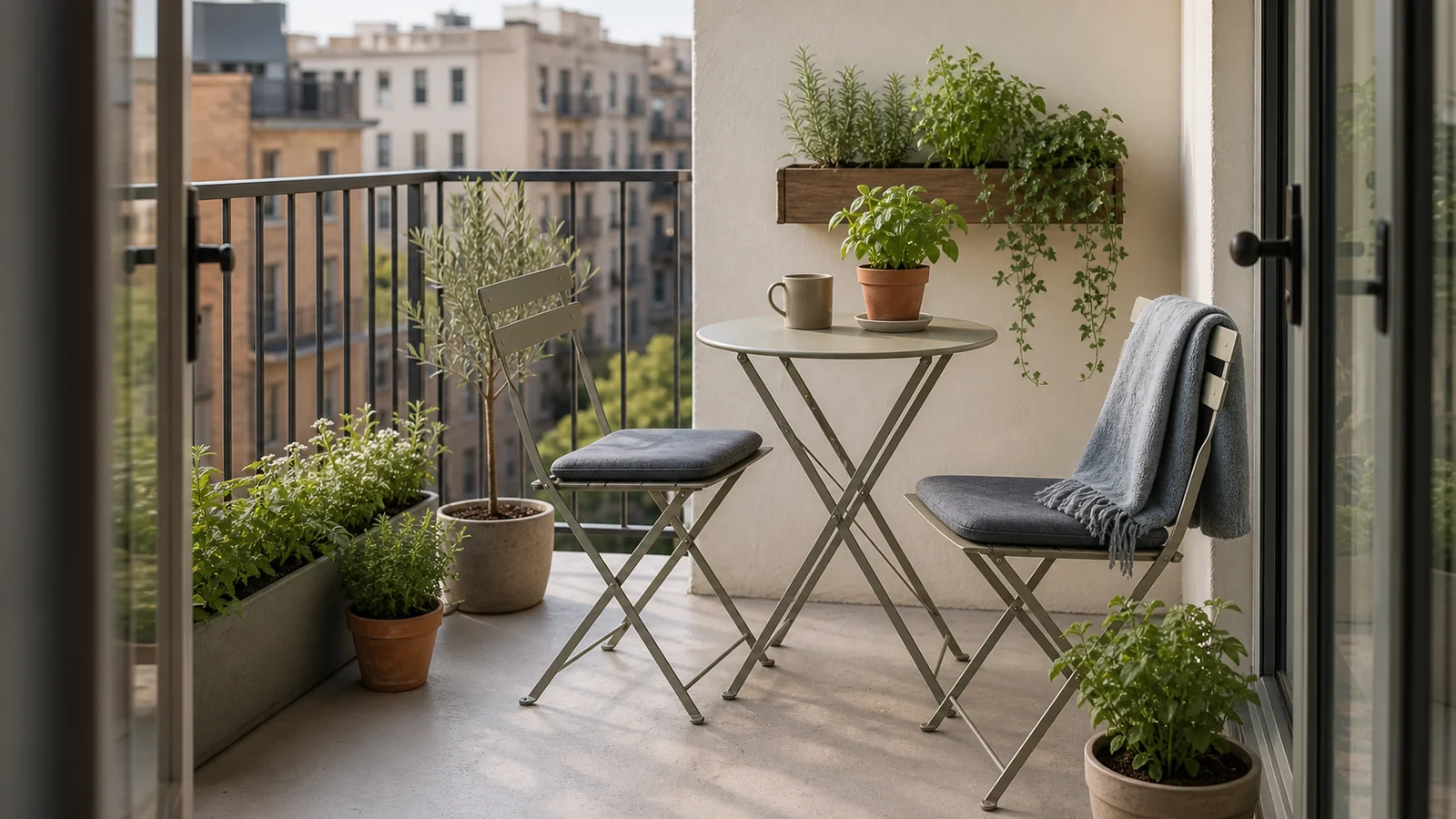
Outdoor Furniture Store Guide for Small Balconies
Shop outdoor furniture stores with a renter-friendly checklist for balcony size, weather, storage, comfort, and delivery.
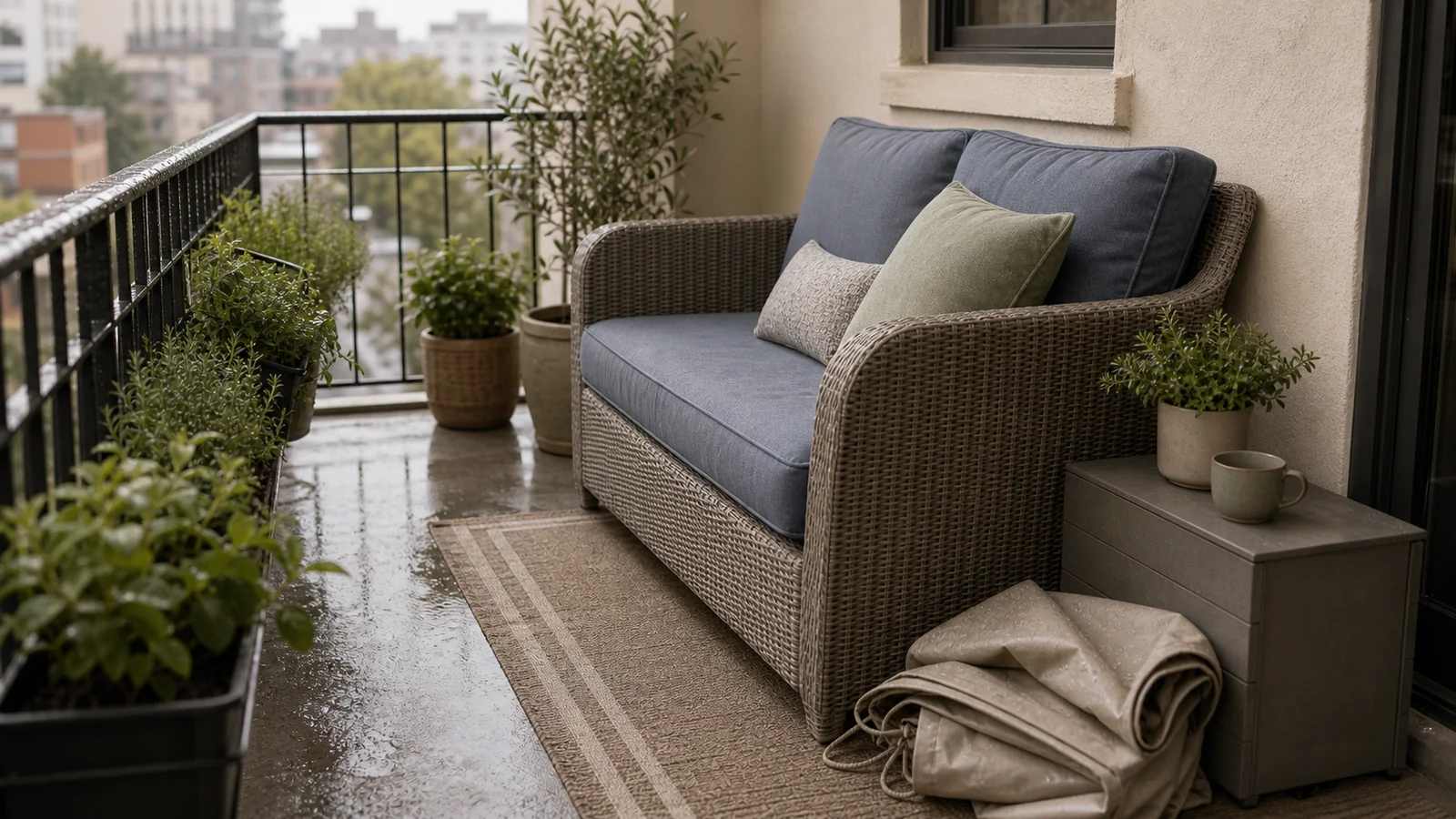
Wicker Outdoor Furniture: Small-Balcony Guide
Choose wicker outdoor furniture by checking resin weave, frame material, cushion storage, weather exposure, and balcony fit.
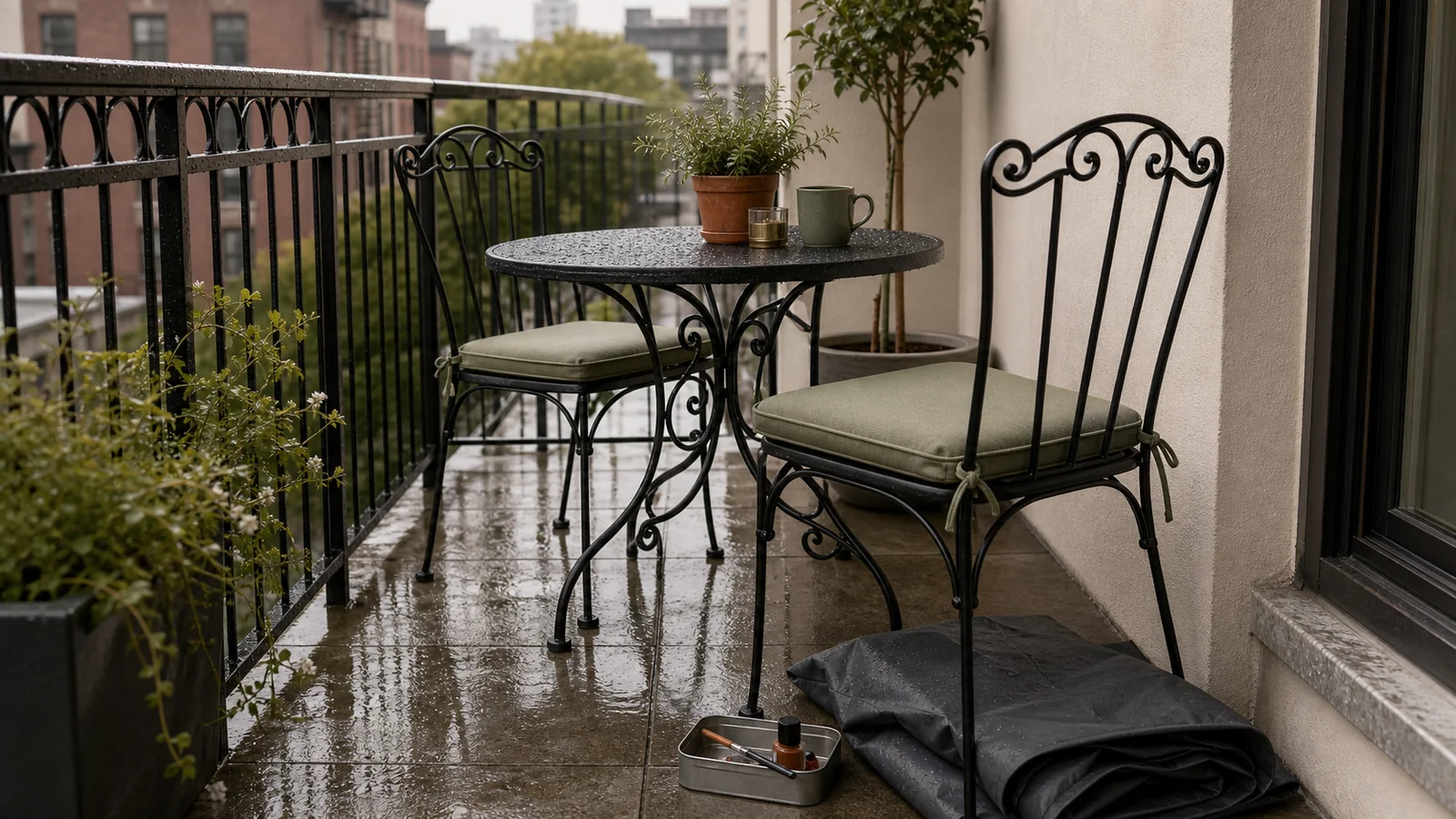
Wrought Iron Patio Furniture for Small Balconies
Choose wrought iron patio furniture by checking weight, rust protection, cushion comfort, balcony limits, and seasonal care.