Wrought Iron Patio Furniture for Small Balconies
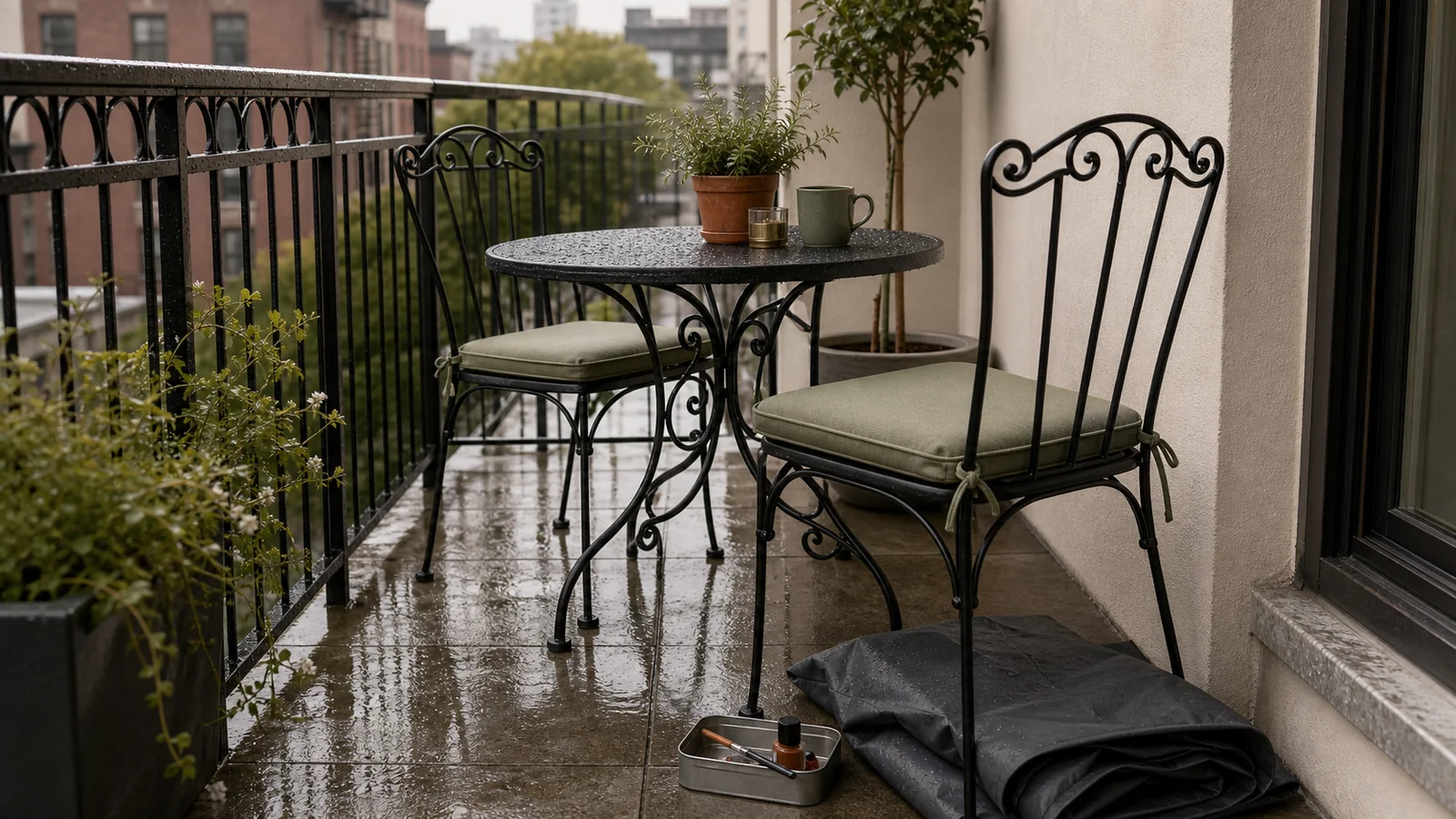
Wrought iron brings stability, but it asks for care
Wrought iron patio furniture has a different personality from lightweight aluminum or woven outdoor sets. It feels grounded. It resists wind better than many light frames. It can look graceful on a small balcony because thin metal lines do not block as much view as bulky outdoor sofas.
The tradeoff is weight and maintenance. Wrought iron can be hard to move, hard on delicate balcony floors, and vulnerable to rust when the protective finish is damaged. For renters and compact homes, that means the decision should start with the balcony, not the romance of a black metal bistro set.
This guide looks at wrought iron from a small-balcony perspective: when it works, when it becomes too much, and how to keep it calm, comfortable, and weather-ready.
Check balcony limits before you shop
Wrought iron is heavy compared with many outdoor furniture materials. That can be useful in wind, but it also changes the practical side of a balcony setup. Before buying, confirm what your balcony can handle and what your lease or building rules allow.
Start with:
- Balcony size and usable walking path.
- Weight of each chair and table.
- Whether furniture must be moved for cleaning or storms.
- Floor material and risk of scratches or rust stains.
- Drainage direction after rain.
- Door swing and threshold height.
- Building rules about outdoor furniture, covers, and storage.
If the furniture has to come indoors during severe weather, do not ignore carrying weight. A chair that feels charming outside can become a problem if you must lift it through a narrow door several times a season.
Use wrought iron where wind is part of the problem
One reason people choose wrought iron patio furniture is stability. On exposed balconies, lightweight chairs can shift, rattle, or tip in strong gusts. A heavier metal frame can feel more secure.
That does not mean weight solves every outdoor problem. Cushions, covers, umbrellas, planters, and loose accessories can still move. Very heavy furniture can also scrape the floor when dragged. If your balcony is high, windy, or exposed, choose fewer pieces and secure anything soft or loose.
Good wrought iron candidates for small balconies include:
| Piece | Why it works | Watch for |
|---|---|---|
| Bistro table | Small footprint, stable center | Heavy base may be hard to shift |
| Two chairs | Airy silhouette, classic look | Seat comfort depends on cushions |
| Folding chair | Easier to store if well made | Hinges and finish need checking |
| Small bench | Elegant along a wall | May be too heavy for frequent moving |
| Plant stand | Adds height without bulky furniture | Rust marks can stain floors |
Avoid filling the whole balcony. Wrought iron works best when it has enough negative space around it to show its thin lines.
Inspect the finish more than the shape
The finish protects the metal. If the paint, powder coating, or protective layer chips, moisture can reach the iron and rust can start. Small scratches are not always a disaster, but they need attention before they spread.
When evaluating a piece, look closely at:
- Welds and joints.
- Chair feet and table feet.
- Decorative scrolls where water may sit.
- Undersides and lower rails.
- Hinges on folding pieces.
- Areas where cushions rub.
- Spots already touched up by a seller.
Run your hand carefully along the frame. The finish should feel smooth and secure, not flaky or sharp. If you see bubbling paint, orange staining, or rough patches, assume maintenance is part of the purchase.
For a lower-maintenance comparison, our aluminum patio furniture guide explains why powder-coated aluminum is often easier to move and care for in compact outdoor spaces.
Comfort usually comes from cushions
Wrought iron can be beautiful, but bare metal seats are rarely comfortable for long. Cushions soften the frame, add color, and make the furniture usable for meals, reading, or morning coffee.
Choose cushions with the same care you choose the frame:
- They should fit the seat without sliding.
- Ties or grip backing help in wind.
- Outdoor fabric should dry reasonably well.
- Foam should not stay soaked after rain.
- Covers should be removable when possible.
- Color should calm the balcony, not fight the view.
Thin cushions may look tidy but fail after one season. Overstuffed cushions can make a delicate iron chair look bulky. A muted sage, blue-gray, warm white, or clay tone often pairs well with black or dark bronze metal without making the balcony feel busy.
Decide how much moving you can tolerate
Small balconies often need furniture that can move. You may need to sweep leaves, rinse pollen, pull a table aside for guests, or bring items in before bad weather. Wrought iron is less flexible than many lighter materials.
Ask yourself how the balcony is actually used. If you open the door daily and need a clear path, choose one table and two chairs at most. If the balcony doubles as plant storage, avoid a heavy bench that traps planters against the railing. If you rent and move often, check whether the set can fit through elevators and car doors.
Furniture glides can help protect flooring, but they must suit the outdoor surface. Rubber can trap moisture on some floors. Metal feet can scratch tile or painted concrete. Plastic caps can crack in sun. Check them at the start and end of the season.
Compare wrought iron with wicker, aluminum, and wood
Wrought iron is not automatically better because it is heavier. It is simply better for some priorities.
| Material | Best strength | Main caution |
|---|---|---|
| Wrought iron | Wind stability, classic silhouette, long life with care | Heavy, rust risk, needs cushions |
| Aluminum | Lightweight, easy to move, rust resistant | Can feel less grounded in wind |
| Synthetic wicker | Soft texture, warmer look | Quality varies; can trap dust and pollen |
| Wood | Natural warmth, tactile feel | Needs finish care and weather protection |
| Steel | Strong, often affordable | Can rust if coating fails |
If texture matters more than weight, read our wicker patio furniture guide. If easy movement matters most, aluminum may be calmer for everyday life.
Keep rust prevention simple and regular
Wrought iron care is easier when it becomes a small routine instead of a rescue project. You do not need to fuss over the furniture every day, but you do need to notice chips and trapped moisture.
Seasonal care can be simple:
- Wipe dust, pollen, and dirt from the frame.
- Dry the furniture after heavy rain when water sits in joints.
- Check feet, welds, and scrollwork for chips.
- Touch up damaged finish with the correct outdoor metal product.
- Store cushions when not in use.
- Use breathable covers when the furniture sits outside for long periods.
- Avoid letting planters drain directly onto the frame.
Do not cover wet furniture tightly and forget it. Trapped moisture can make rust problems worse. Let the set dry before covering when possible.
Style it so the balcony stays light
Wrought iron can become visually heavy if every nearby object is dark, ornate, or high contrast. On a small balcony, balance the metal with softer, lighter pieces.
Try:
- One black bistro set with pale cushions.
- A clay pot or two instead of many small planters.
- A simple outdoor rug only if drainage is good.
- A folded throw used briefly, then stored indoors.
- One lantern or small table lamp rather than several metal accents.
- Plants with soft leaves to break up the hard lines.
Avoid adding a black metal shelf, black metal plant stand, black metal lanterns, and black metal railing decor all at once. The furniture needs air around it.
A wrought iron patio furniture checklist
Before buying, confirm:
- The balcony and building rules allow the weight and setup.
- The table and chairs leave a real walking path.
- The finish is smooth, intact, and easy to touch up.
- The chair feet will not scratch or stain the floor.
- Cushions fit, dry, and secure well.
- You can move the pieces when cleaning or weather changes.
- The set feels stable without filling the whole balcony.
Wrought iron patio furniture can be a lovely choice for a small balcony when stability, slim lines, and classic shape matter. Choose less than the space seems able to hold, keep the finish protected, and soften the metal with practical cushions. The result can feel settled and graceful rather than heavy.
You might also like
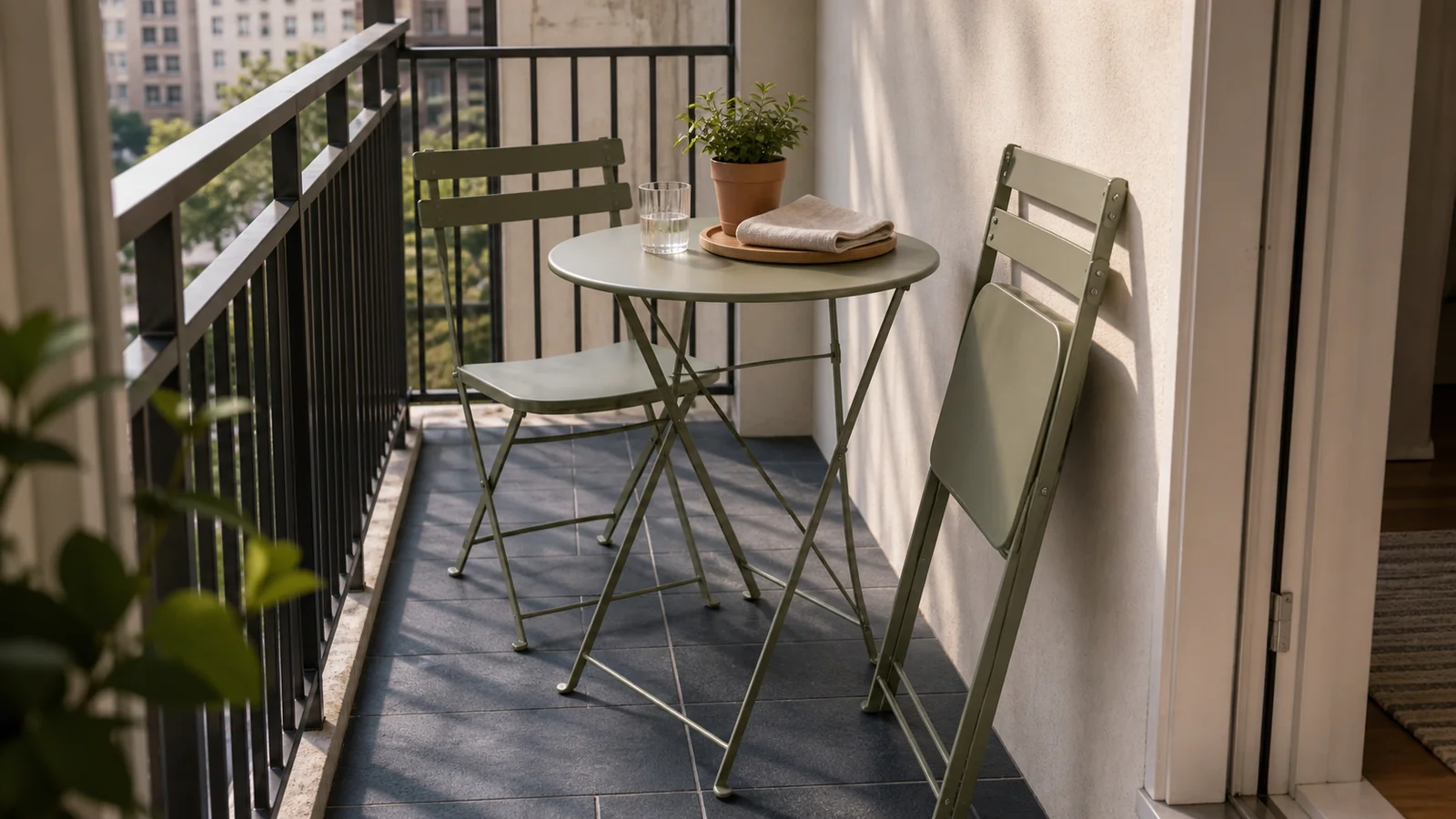
Aluminum Patio Furniture for Small Balconies
Choose aluminum patio furniture by checking coating, weight, folding options, comfort, wind exposure, and cushion care.
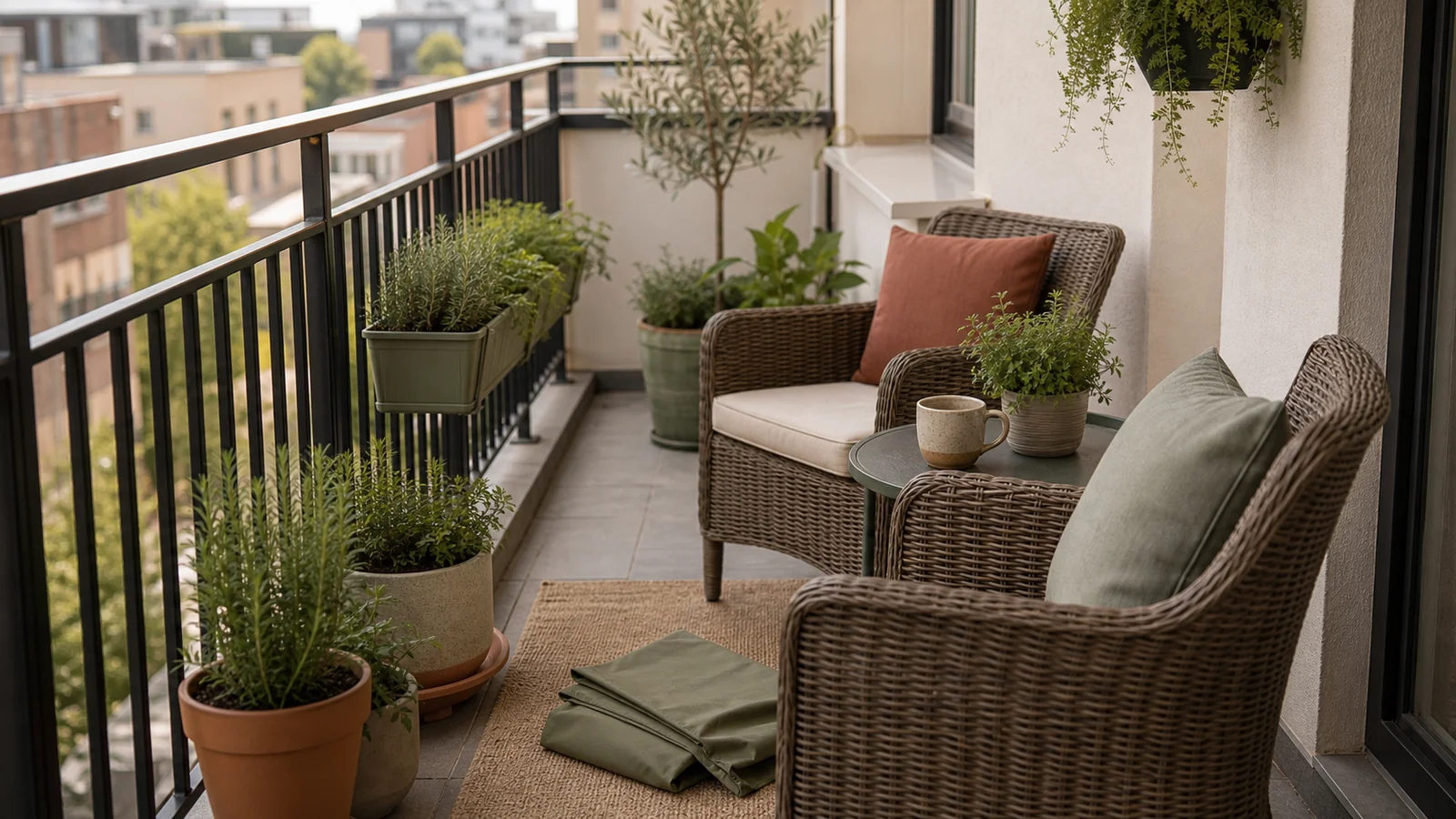
Wicker Patio Furniture for Small Balconies
Choose wicker patio furniture for a small balcony by checking material, frame, cushion storage, weather exposure, and room to move.
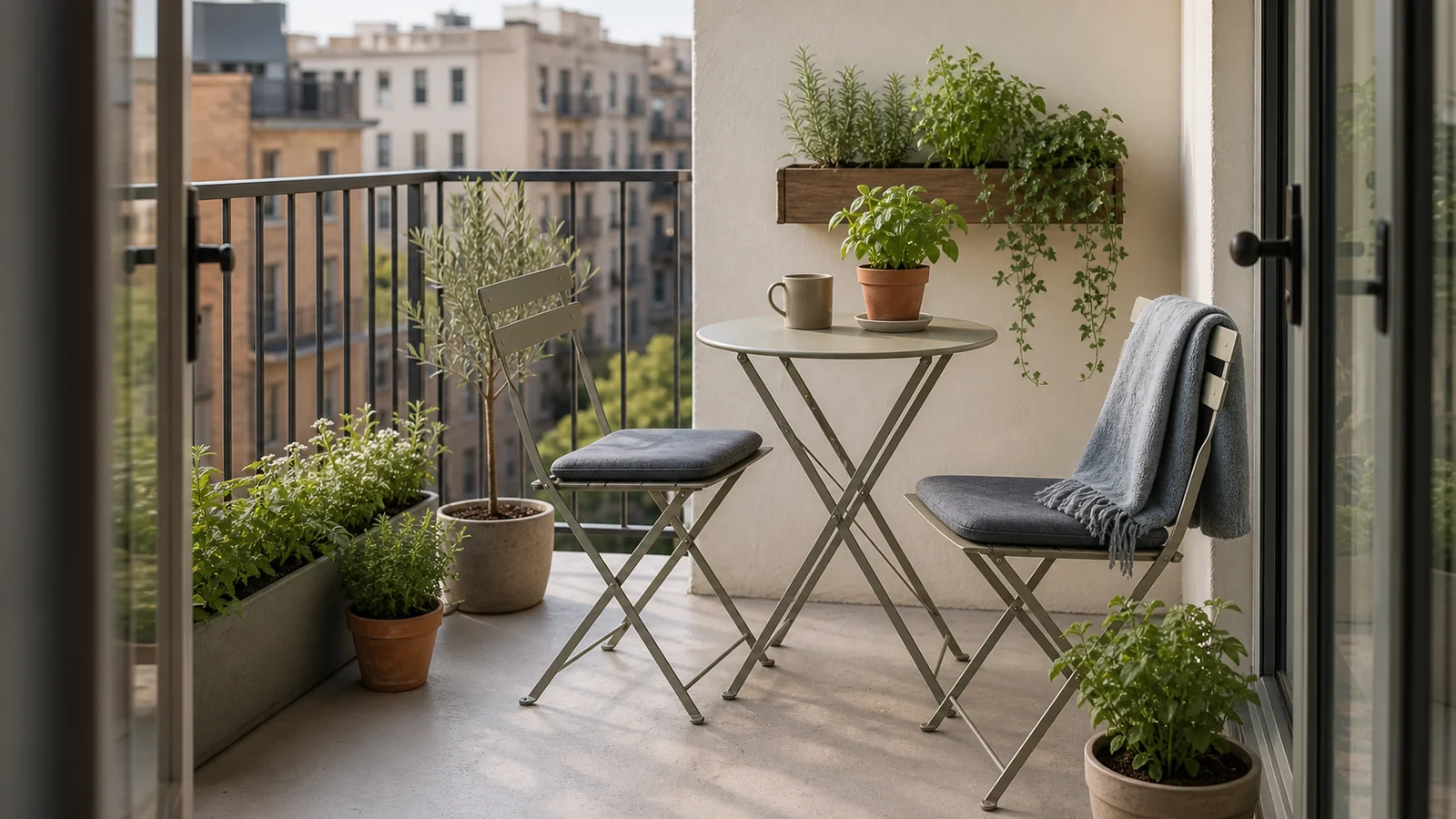
Outdoor Furniture Store Guide for Small Balconies
Shop outdoor furniture stores with a renter-friendly checklist for balcony size, weather, storage, comfort, and delivery.